



CNLawBlog is an independent website that publishes articles on law, finance, technology, health, and many other topics. It is not a law firm, a court, or a government site. Its own About page says it started in August 2018 and grew from legal writing into a general publication.
- What Is CNLawBlog?
- What CNLawBlog Publishes
- CNLawBlog vs China Law Blog
- Four Descriptions of One Site
- How CNLawBlog Says It Creates Content
- Is CNLawBlog Reliable?
- How to Fact-Check Any Legal Post
- One Headline, Several Stories
- Blogs vs Primary Legal Sources
- When to Talk to a Licensed Lawyer
- FAQ
- Can I cite cnlawblog in court or school work?
- Conclusion
Search for the name and you will find very different descriptions of it. Some pages call it a China law resource. Others call it a New York law firm blog. This guide sorts out what is true, what is unproven, and how to check any cnlawblog article yourself.
What Is CNLawBlog?
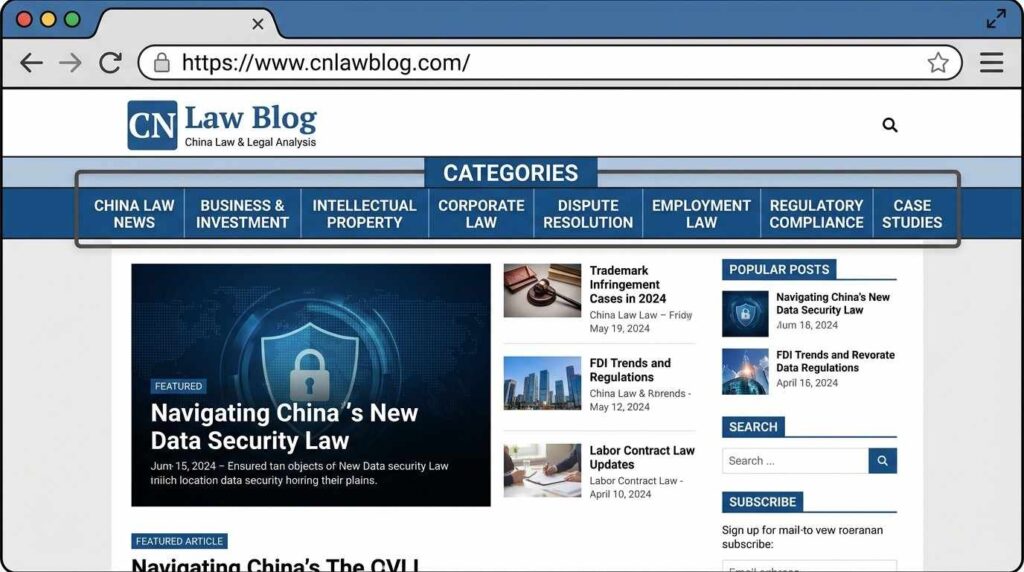
CNLawBlog is a free to read publication at cnlawblog.com. The About page calls it an independent digital publication founded in August 2018. The archive agrees with that date. One of the oldest posts on the homepage is a short piece on labour law consultants, dated August 16, 2018.
It is a blog, so it explains topics in plain language. It does not make law, decide cases, or give personal advice. The About page tells readers to ask qualified professionals about legal, medical, and financial matters.
What CNLawBlog Publishes
Law is one menu item among many. The site sorts legal posts into accident, civil, corporate, criminal, family, and personal injury law. It also has a category called CNLaw, which holds posts about the site itself.
The rest of the menu covers technology, finance, business, education, health, lifestyle, and real estate. A “More” menu adds travel, automotive, fashion, politics, and sports. The homepage archive runs to 21 pages.
| Category | Examples on the homepage in September 2026 | What to remember |
|---|---|---|
| Law | Fire damage insurance claims in Texas, renter rights in Los Angeles, DUI charges in Fort Lauderdale | Many posts name one place. Rules differ by state and city. |
| Finance | Online loan scams, Fed rate questions, Treasury yields | Rate and yield posts go stale fast. |
| Technology | Edge AI and data sovereignty | General education, not legal analysis. |
| Lifestyle and gaming | Screen time habits, an Elden Ring guide | Not legal content. |
CNLawBlog vs China Law Blog
They are two different sites. China Law Blog is written by the law firm Harris Sliwoski LLP. You can read it on the China Law Blog page at Harris Sliwoski.
That blog covers China related business law, such as trademarks, manufacturing contracts, and NNN agreements. Its archive runs past 100 pages, and posts were still going up in September 2026. It is a firm blog with a narrow focus.
CNLawBlog.com has a different address and a far wider scope. Its About page never says it is about Chinese law. The letters “CN” in the name do not make it a China source.
Four Descriptions of One Site
We compared what different pages say cnlawblog is. The answers do not match.
| Who describes it | What they say |
|---|---|
| The site’s own About page | An independent, multi-topic publication founded in August 2018 |
| Some guest post guides | A legal platform covering Chinese legal systems and international business law |
| One guest post seller | The official blog of a New York law firm |
| Independent review pages | A broad multi-category site with a legal section |
Only the first row comes from the site itself. We found no proof of a law firm owner, and the About page says the site is independent. That gap is the lesson check the primary page before you repeat what a third party says.
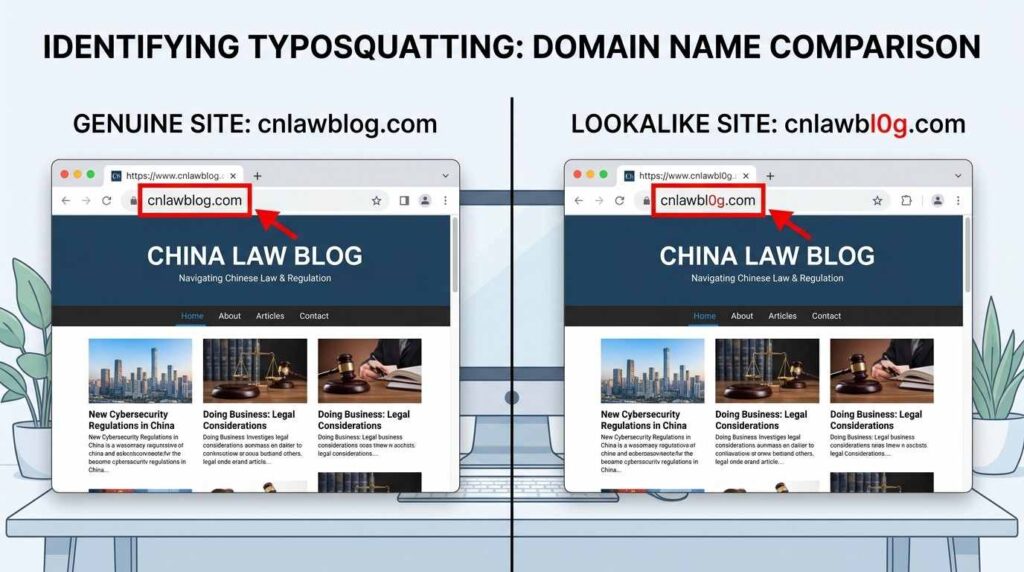
Two more findings matter for readers. First, a guest post marketplace lists cnlawblog.com and a separate site called cnlawblogs.com, with an extra “s.” Check the spelling before you trust a link.
Second, marketplaces advertise paid guest posts with backlinks on cnlawblog.com. That does not prove any specific article is paid. The site’s Editorial Policy says sponsored content is labeled, so look for that label and ask who benefits from a recommendation.
How CNLawBlog Says It Creates Content
The Editorial Policy describes the process. Topics are chosen for reader interest, informational value, search intent, relevance, and long term usefulness. Research may draw on government websites, official organizations, academic publications, and public reports.
Every article gets human review before it goes live. The policy also says digital tools may help with drafting and grammar, and that they do not replace human judgment. Readers can report mistakes through the Contact page.
The site also has a Submit Guest Post page, so outside writers contribute. Guest posts can vary in depth, which is why source checks matter.
Is CNLawBlog Reliable?
It is a real, active site with public policies. It publishes an About page, Editorial Policy, Disclaimer, Terms, Privacy Policy, FAQs, and a Contact page. That openness is better than many blogs offer.
Plain labels help readers too. LegalExpertise.net, for example, says on its About page that it is a legal information blog and not a law firm. A clear statement like that sets the right expectation.
| Signals in its favor | Signals that call for care |
|---|---|
| Public editorial and correction policies | The policies are self reported |
| Clear notice that content is informational | Homepage bylines show first names only |
| Publishing history since 2018 | Guest posts and paid placements are advertised by third parties |
| Plain language goal | Some law titles focus on one city or on hiring a lawyer, which is common in marketing content |
Verdict: Use cnlawblog as a first stop for basic terms. Do not use it as the last word on anything that affects your rights, money, or health.

How to Fact-Check Any Legal Post
This process works for any legal blog. It takes about ten minutes.
- Confirm the domain. The address should read cnlawblog.com, not a lookalike.
- Find the place. Look for the state, country, or city. If none is named, treat the post as very general.
- Check the dates. Find the publish date and any update date. Old posts can describe laws that changed.
- Look for sources. Good posts point to statutes, court opinions, or agency pages. You can read statutes through the GovInfo statute help page.
- Match each claim to a primary source. If a post says a law requires something, find the law and read it.
- Check any named lawyer. The California Courts Self-Help Center shows how to check a lawyer’s record with a State Bar. Our guide on how to verify any legal site lists more red flags.
- Ask a licensed attorney before you act. A blog cannot know your facts or deadlines.
One Headline, Several Stories
One search phrase can cover several separate matters. A Warren Sapp lawsuit explainer shows this. The name covers a closed and settled workplace case, a notice of claim, and a newer unrelated charge.
Ask the same questions of any blog post. Which case is this, which court, and which date? A short summary can hide the answers.
Full timelines catch what summaries miss. Our Kim Muratori Mercedes-Benz lawsuit timeline follows a Florida car buyer who won an arbitration award. The win was real, yet the case still took years to finish.
Blogs vs Primary Legal Sources
A blog explains. A primary source decides.
| Source | Best for | Limit |
|---|---|---|
| Blogs like CNLawBlog | Plain explanations and key terms | Not official, not personal advice |
| Statutes | The exact wording of a law | Hard to read without context |
| Court opinions | How judges applied the law | May be old or from another region |
| Legal guides | Overviews by legal area | Still general information |
| Licensed attorney | Advice on your own facts | Costs time and sometimes money |
You can look for federal court opinions on the PACER court opinions page. For overviews of family law, criminal law, and personal injury, the Justia legal guides are a solid next step. Our WebCrims guide shows how New York criminal case searches work and where they stop.
When to Talk to a Licensed Lawyer
Reading is a good start. Court papers, a close deadline, a contract you are about to sign, or an injury claim all deserve a licensed attorney’s review.
The Federal Trade Commission has a page on hiring a lawyer. It suggests checking state and local bar associations and talking to more than one lawyer before you hire. It also points to free or low cost help, such as legal aid offices.
Many lawyers offer a first consultation at no charge, but ask before you book. Bring your documents and a written list of questions.
FAQ
What is cnlawblog?
It is an independent online publication at cnlawblog.com. It began in August 2018 with a legal focus and now covers law, finance, technology, health, and more.
Is cnlawblog a law firm?
No. It presents itself as a publication, not a law firm, court, or government agency. Some third party pages say otherwise, but we found no proof.
Is cnlawblog the same as China Law Blog?
No. China Law Blog belongs to Harris Sliwoski LLP and focuses on China related business law. CNLawBlog.com is a separate multi-topic site.
Is cnlawblog legit and trustworthy?
It is a real, active site with public policy pages. Trust depends on each article’s sources, date, and author. Confirm important claims against official sources.
Does cnlawblog give legal advice?
No. The site says its legal content is educational and tells readers to seek qualified help for specific problems.
Can anyone write for cnlawblog?
The site has a Submit Guest Post page, and its Editorial Policy says articles get human review. Third party marketplaces also advertise paid placements, so check for sponsored labels.
How old is cnlawblog?
The site says it was founded in August 2018. Its archive includes a post dated August 16, 2018.
Can I cite cnlawblog in court or school work?
Courts rely on statutes and case law, not blogs. Schools set their own rules, so ask your instructor. In both cases, cite the primary source the article points to.
Conclusion
CNLawBlog is a real, multi-topic publication with public editorial policies. It is not a law firm, and it is not a China law source. Used well, cnlawblog gives you a plain language starting point.
Check the domain, the date, and the place before you trust a post. Then confirm key points in statutes, court records, or with a licensed attorney. For more free, plain English guides, browse LegalExpertise.net.