




The homeschool diploma lawsuit in Pennsylvania asked one simple question: can a school district make you hand over a copy of your high school diploma? The answer, under the Pennsylvania homeschool law and the ELANCO settlement, is no. Your notarized affidavit or unsworn declaration is enough.
- What Was the Homeschool Diploma Lawsuit in Pennsylvania?
- Can a Pennsylvania School District Require a Homeschool Diploma?
- How Did the ELANCO Lawsuit End?
- Timeline of the ELANCO homeschool diploma case
- What the settlement says
- What the district said
- Settled, dismissed, or ruled on: why it matters
- What Does Pennsylvania’s Homeschool Law Require?
- How Does the Certified-Letter Process Work, and Can Districts Visit Your Home?
- What Does School District Overreach Look Like?
- When Can a District Legitimately Ask for More?
- Has the ELANCO Case Changed How Other Districts Act?
- The four districts HSLDA reported
- Why the Hatboro-Horsham example matters
- What this does and does not mean
- What Should You Do If Your District Demands Your Diploma?
- Does This Lawsuit Affect Whether a Homeschool Diploma Is Valid?
- Two different questions
- What the state says about homeschool diplomas
- A note on conflicting online reports
- Frequently Asked Questions
- Do Pennsylvania homeschool parents have to show their high school diploma to the school district?
- What was the ELANCO homeschool diploma lawsuit about?
- Did the ELANCO lawsuit go to trial?
- Does the ELANCO settlement apply to every Pennsylvania school district?
- Can a Pennsylvania school district visit my home or threaten truancy charges over homeschool paperwork?
- What should I do if I get a certified letter from my superintendent?
- Is a GED enough to homeschool in Pennsylvania?
- When are the Pennsylvania homeschool deadlines for the affidavit and evaluation?
- Conclusion: Know the Law, Then Stay Calm
In September 2025, officials from the Eastern Lancaster County School District (ELANCO) went to homeschool families’ front doors and warned of truancy charges. Reports since then show other districts making similar demands.
This guide explains what happened, what the law says, and what to do if your district sends you a letter like this.
What Was the Homeschool Diploma Lawsuit in Pennsylvania?
It was a September 2025 lawsuit by two homeschooling families against the Eastern Lancaster County School District (ELANCO). Officials had visited their homes demanding copies of the parents’ high school diplomas and warned of truancy charges. The families said Pennsylvania law only requires a sworn affidavit. The district settled in the fall of 2025.
Who filed the lawsuit?
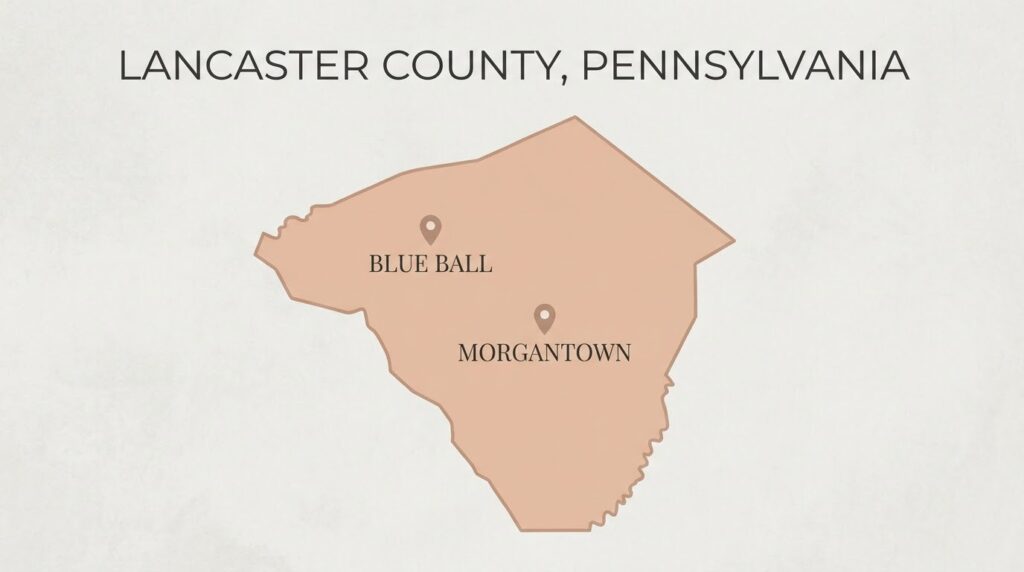
Two couples brought the case: Caitlynn and Michael Brennan of Blue Ball, and Joseph and Joyelle Stoltzfus of Morgantown, according to LancasterOnline. The Home School Legal Defense Association (HSLDA), a national homeschool advocacy group founded in 1983, advised them. HSLDA says it has more than 90,000 member families.
Lancaster law firm Clymer, Musser & Sarno filed the case in Lancaster County Court and later filed the motion to dismiss after the settlement. The suit named Superintendent Michael Snopkowski and other district staff, including a social worker.
Both families had already filed the paperwork the state asks for. They said the district wanted more.
What did the families say went wrong?
The families said the district went beyond what the Pennsylvania School Code allows. They also said it skipped the certified-letter process the law sets out for disputes. Joyelle Stoltzfus told the paper she and her husband never received a certified letter.
After the September 11 visits, one family showed HSLDA a letter the district had handed them. According to HSLDA, it said the district could not approve their request to establish a home education program, and it threatened a truancy petition. HSLDA points out that a district has no power to approve or deny a homeschool program, and that a family does not have to make a request in the first place.
They asked the court for two things. First, a declaration that the district’s diploma demands, home visits, and prosecution threats went past its legal authority. Second, an injunction to stop those practices. HSLDA’s president, Jim Mason, said at filing that the state’s law “is clear and has not changed.”
Can a Pennsylvania School District Require a Homeschool Diploma?
No, not as a routine demand. Pennsylvania requires a homeschool supervisor to hold a high school diploma or its equivalent. But the parent proves it by filing a notarized affidavit or unsworn declaration under penalty of perjury. Under the statute, that sworn document is sufficient evidence unless the district has proof you lied.
What the statute says
The rule lives in 24 P.S. § 13-1327.1, known as Section 1327.1 of the Public School Code. It came from Act 169 of 1988, the law that opened the door to homeschooling in the state.
The Pennsylvania Department of Education (PDE) backs this up in its own guidance. It lists three items to attach to the affidavit: an outline of your education objectives, proof of required immunizations (or an exemption), and proof of required medical services (or an exemption). A diploma copy is not on that list. PDE also says that, under 22 Pa. Code § 11.31a, school district approval isn’t required to start a home education program once you file the paperwork.
One caution: PDE tells supervisors to review their district’s board policy to see which forms the district wants filed. A district can set how you submit paperwork. HSLDA’s position is that it cannot add requirements the statute does not contain.
HSLDA Senior Counsel Will Estrada points to one key sentence in the affidavit part of the statute. In his words, the notarized affidavit or unsworn declaration “shall be sufficient evidence thereof.” In plain English, if you swore you have a diploma, the district must take your word unless it has real proof you lied. Lying on that form is perjury, so the law treats the sworn statement as serious.
Why the law is written this way
HSLDA also points to a 1988 federal court case, Jeffrey v. O’Donnell. According to HSLDA, the court struck down Pennsylvania’s older “private tutor” approach because it let superintendents add their own rules, which differed from district to district. The legislature then wrote Section 1327.1 to create one statewide set of rules.
That history is why districts cannot make up extra steps. A different state saw the same kind of dispute. HSLDA reports that the Virginia Supreme Court sided with a family in 2019 when a district demanded a birth certificate and proof of residency that Virginia law did not require.
A “what if” example
This is a made-up example, not a real case. Imagine you filed your affidavit in July. In August, a secretary emails you: “Please send a scan of your diploma for our records.” It sounds harmless, and you want to be polite.
Here is the problem. If you send it, you may be setting a pattern that the law never asked for. A better first move is to write back, calmly, that you filed your notarized affidavit under Section 1327.1. Then ask which part of the statute requires more. If you are unsure, check with a homeschool support group or an attorney before you reply.
A common mistake: treating a staff email like an official legal demand, or handing over papers “just to be nice.” Staff requests are not the formal process the statute describes.
After the lawsuit, ELANCO’s superintendent said parents may still share a diploma copy voluntarily. The key word is voluntarily. You may choose to share it. The district just cannot require it.
Parent Caitlynn Brennan put it simply to LancasterOnline: “The homeschooling statute is really quite clear.”
See also Homeland Security Student Visa Lawsuit
How Did the ELANCO Lawsuit End?
It ended in a settlement, not a court ruling. ELANCO’s school board approved the deal on October 20, 2025, and a motion to dismiss followed in early November. The district agreed to stop home visits, use certified mail for any homeschool concerns, and no longer require parents to submit diploma copies.
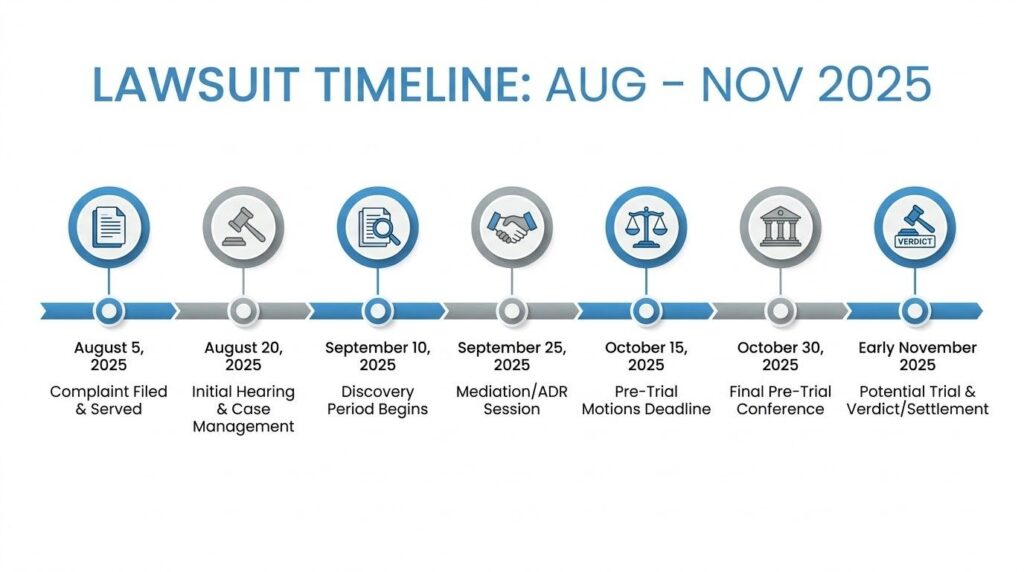
Timeline of the ELANCO homeschool diploma case
| Date | What happened | Reported by |
|---|---|---|
| Aug 5, 2025 | A district worker phones the Stoltzfuses to ask for proof Joseph Stoltzfus finished high school | LancasterOnline |
| Sept 4, 2025 | A voicemail tells Caitlynn Brennan to provide a diploma copy, or officials might visit her home | LancasterOnline |
| Sept 10, 2025 | HSLDA says it told the district’s attorney that officials had no authority to make home visits | HSLDA |
| Sept 11, 2025 | Officials visit homes. The Stoltzfuses receive a hand-delivered letter denying their homeschool program and warning of truancy charges | LancasterOnline, HSLDA |
| Sept 15, 2025 | A standing-room crowd of about 60 to 65 people attends the school board meeting to question staff visits to homeschool families’ homes | LancasterOnline |
| Sept 15–16, 2025 | The two families file suit in Lancaster County Court. HSLDA gives Sept 16, while LancasterOnline reported a Monday filing, which would be Sept 15 | HSLDA, LancasterOnline |
| Oct 20, 2025 | The school board approves a settlement | LancasterOnline |
| Early Nov 2025 | The settlement is finalized and a motion to dismiss is filed | HSLDA, LancasterOnline |
What the settlement says
The district gave each family its own agreement, the parents told LancasterOnline. Based on their account and HSLDA’s, the terms include:
- No district visits to the families’ homes for any reason tied to the child’s education program.
- Certified mail for any concerns about a homeschool program, as the School Code requires.
- An acknowledgment that the district has no power to approve or deny a homeschool program.
- Acceptance of a sworn statement about the diploma, rather than demanding to see it. Parents may still share a copy if they choose.
What the district said
The full story has two sides. Superintendent Michael Snopkowski told LancasterOnline that the district had long asked to see a copy of the diploma as its usual practice. He said no parent had complained before this year and called the situation a “gray area.” He also acknowledged that the district had not sent certified letters to the two families, and said it would change its approach if needed.
At the September 15 school board meeting, a standing-room crowd of about 60 to 65 people came to question the home visits, LancasterOnline reported. Snopkowski said afterward that staff visit homes when the district lacks information, and that staff left business cards where no one provided it. He put the district’s homeschool population at over 650 children, in roughly 300 to 340 families, depending on the statement.
After the settlement, he said the district is reviewing its practices with its solicitor. The goal, he said, is to remove unnecessary barriers while still following the School Code.
Caitlynn Brennan welcomed the deal but said she will keep watching. Her worry is that staff turnover could let the problem return in a future year. That is a real-world reminder to keep copies of everything you file.
Settled, dismissed, or ruled on: why it matters
Because the case settled, no judge decided who was right. That means the ELANCO outcome is not binding precedent for other districts. It binds ELANCO to the terms in those agreements.
What the case does offer is a public record of what one district agreed to do. As you will see below, HSLDA has used it as a reference point with other districts.
See also Arizona Voter Data Lawsuit Dismissal
What Does Pennsylvania’s Homeschool Law Require?
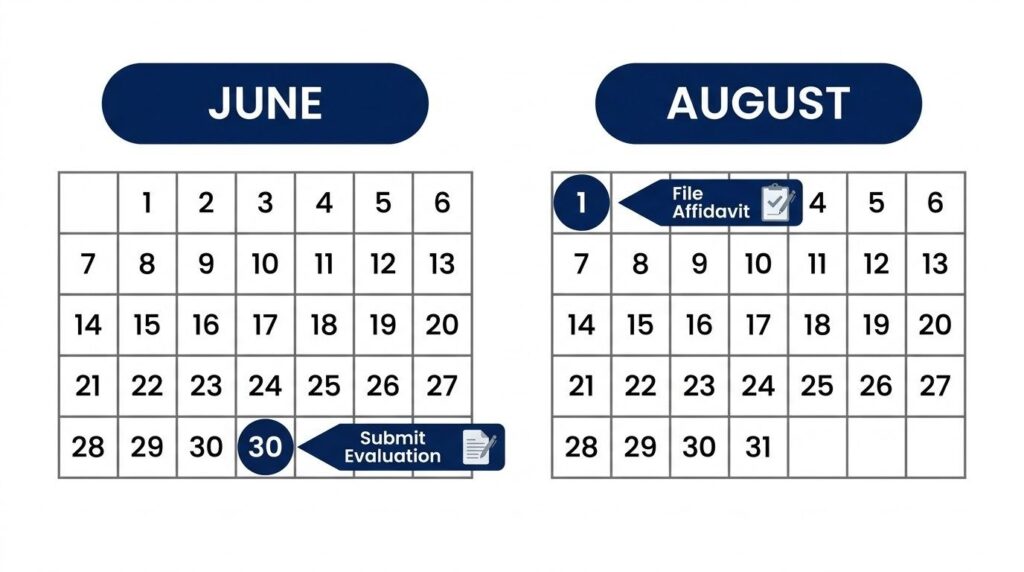
Pennsylvania homeschool parents must file a notarized affidavit or unsworn declaration with their superintendent before starting and by August 1 each year. They must keep a portfolio, have a qualified evaluator review it, and submit the evaluator’s certification by June 30. The supervisor must hold a high school diploma or equivalent.
Key deadlines and tasks
| Task | When | Where it goes |
|---|---|---|
| Notarized affidavit or unsworn declaration, plus educational objectives | Before you first start, then by August 1 each year | Your local superintendent |
| Keep a portfolio of records and student work | All year | You keep it |
| Evaluation by a qualified evaluator | By June 30 | The evaluator’s certification goes to the superintendent |
| Standardized testing | Grades 3, 5 and 8 (24 P.S. § 13-1327.1(e)(1)) | Results go in your portfolio |
| Moving to a new district in Pennsylvania | 30 days before the move | Notice by registered mail to your current superintendent |
Along with the affidavit, PDE says you must attach three items: an outline of your education objectives by subject, proof of required immunizations (or an exemption), and proof of required medical services (or an exemption). PDE also posts sample affidavit and unsworn declaration forms for the elementary and secondary levels.
For testing, PDE approves 11 nationally normed tests as alternatives to the state’s PSSA tests, including the Iowa Test of Basic Skills and the Stanford Achievement Test. For secondary students, a federal Social Security Administration summary of subsection (c) says a program must provide 180 days or 990 hours of instruction per year. Check the statute for the elementary-level requirement.
What goes in the affidavit
Will Estrada explained that the sworn filing covers the supervisor’s diploma or equivalent, your promise to provide the education, your child’s name and age, your address, and the home instruction site. HSLDA’s compliance guide adds evidence of required health and medical services and a statement that you will follow 24 P.S. § 13-1327.1.
Some district guidance pages also describe a certification about certain criminal convictions in the past five years. Check the current statute text for the exact wording before you sign.
Does a GED count?
Yes. The law accepts a diploma or its equivalent, and district guidance and news reports treat a GED as an equivalent. The ELANCO dispute covered both diplomas and GED proof.
A “what if” example
This is a made-up example, not a real case. A family files its affidavit by August 1 and feels done. Then the school year ends, and nobody has booked an evaluator. June 30 arrives, and the family scrambles.
The fix is simple. Book your evaluator early in the year. The affidavit and the evaluation are two separate steps with two separate deadlines.
A common mistake: sending the whole portfolio to the district. HSLDA’s Will Estrada says the evaluator reviews the portfolio, and the district receives the evaluator’s certification. He called a superintendent’s request for the portfolio a red flag. One district’s guidance page describes limited cases where a superintendent may ask for it before June 30, so talk to CHAP or an attorney before you answer.
How Does the Certified-Letter Process Work, and Can Districts Visit Your Home?
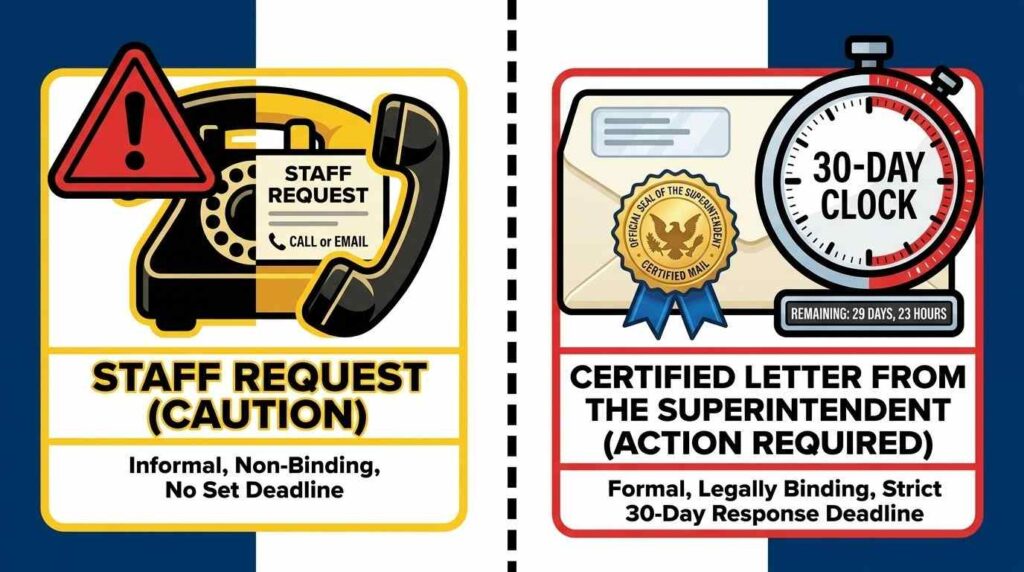
If a district thinks you are out of compliance, it must send a certified letter signed by the superintendent, explain the problem, and give you 30 days to respond. If the dispute continues, you can present your case to a neutral hearing officer. HSLDA says nothing in this process allows home visits.
The steps, in order
Will Estrada described the safeguard built into the last paragraphs of Section 1327.1. Here is how it works:
- A certified letter. It must come from the superintendent, not an assistant. It must say what the district believes you are missing.
- 30 days to respond. Estrada stressed the number: not 10, not 15, not 27. You get 30.
- An impartial hearing. If the dispute is not resolved, the school board must provide a hearing. District policies that track the statute say a qualified, impartial examiner runs it, and that the examiner cannot be an employee of the district or of PDE. The examiner decides within 15 days of the hearing. LancasterOnline described this as a school board hearing, but the examiner is meant to be independent.
- Possible outcomes. PDE says a formal hearing can lead to probation, more reporting, or loss of homeschooling rights for up to one year. The examiner may instead set a remedial education plan that lets the program continue, and either side may appeal, according to district policies. Estrada said a loss of rights has never happened to an HSLDA member and is very rare. He still urges families to take the process seriously.
Estrada also said that, technically, you do not have to acknowledge phone calls or emails. He still recommends telling CHAP or HSLDA about them, because they may be early warning signs.
What about truancy threats and home visits?
HSLDA’s position is that the statute gives districts a set process instead of jumping to truancy charges or a child-protective-services hotline report. It adds that nowhere in that process are government workers allowed to come into a family’s home.
A district also cannot approve or deny your homeschool program. The ELANCO settlement acknowledged that point in writing.
A “what if” example
This is a made-up example, not a real case. A certified letter arrives on a Friday afternoon. You are shaken and want to answer right away.
Slow down. Write down the date you received it, because the 30-day clock matters. Make a copy. Then contact CHAP, HSLDA if you are a member, or a Pennsylvania education attorney that same week. Reply in writing, well before the deadline.
A common mistake: waiting until day 28 to ask for help. By then you have lost the time to gather records and think through your reply.
See also State Voter Registration Data Lawsuits
What Does School District Overreach Look Like?
Overreach means a district asks for something Pennsylvania’s homeschool law does not require. Common examples include a copy of your diploma, your child’s birth date, a lease or mortgage, utility bills, or your portfolio. If your sworn affidavit already covers it, the affidavit is the proof.
Common requests, and what to know
| Request | What HSLDA says | Practical note |
|---|---|---|
| Copy of your diploma or GED | Not required as a matter of course | The ELANCO settlement accepts a sworn statement instead |
| Child’s birth date or grade level | Already covered by your sworn filing | Different if you enroll in a district program (see next section) |
| Lease, mortgage or utility bill | Covered by the affidavit | HSLDA says Shippensburg Area changed its policy after asking families for extra residency proof in December 2025 |
| Your portfolio | Evaluator reviews it, not the superintendent | Get advice first |
| A home visit | Not part of the statutory process | The ELANCO settlement bars visits tied to the education program |
| A call or note from a secretary | Communication should come from the superintendent | Still tell CHAP or HSLDA |
| “Approval” of your program | Districts cannot approve or deny | PDE says district approval is not required, and the ELANCO settlement says so |
A real example: the voicemail
The Brennan family’s experience shows how this often starts. According to LancasterOnline, Caitlynn Brennan heard nothing about her application until a voicemail on September 4, 2025. It said she needed to provide a diploma copy, or officials might visit her home.
That is a voicemail, not a certified letter from the superintendent. It is exactly the kind of message that should make you pause and check the statute.
The two families handled the pressure differently, which shows there is more than one calm way to respond. When two district employees knocked on Brennan’s door on September 11, she did not let them in. She explained her understanding of the law and the certified-mail rule instead. Joyelle Stoltzfus, after the August 5 call asking for her husband’s diploma or permission to call his high school, gave the district his graduation information. She declined to hand over a copy and asked staff not to contact the school.
Common mistakes to avoid
Families run into trouble in a few predictable ways. Some answer a request by phone and say things they later cannot prove. Some hand over a diploma or portfolio to keep the peace. Others ignore a letter because it did not feel official.
Respond in writing, keep copies, and ask the district to name the part of the statute it relies on.
When Can a District Legitimately Ask for More?
A district may need extra information when your child joins one of its programs, such as public school sports, career and technical education, or other access programs. In those cases you may need to show proof of residency or give a date of birth. Simply filing your homeschool paperwork does not trigger those requests.
Why programs change the answer
Not every request is overreach. Will Estrada gave a clear example. In general, you do not have to give a rental agreement or mortgage just to show where you live. But if your child takes part in career and technical education, sports or another public school access program, the situation is different. You are now asking the district for a service, so the district may need proof of residency and your child’s date of birth to enroll them.
Pennsylvania law also gives homeschool students some access to school programs. PDE says districts must let homeschooled students join extracurricular activities such as clubs, musical ensembles, athletics and theatrical productions. Beginning with the 2023-24 school year, districts must also allow co-curricular activities, academic courses (up to at least one quarter of the school day for full-time students) and career and technical education programs. Districts must set policies for how those students enroll, so ask for your district’s written policy.
A “what if” example
This is a made-up example, not a real case. Imagine your 15-year-old wants to join the welding class at a career and technical center run through your district. The center asks for proof of address.
That request is reasonable. You are asking to be enrolled, and the school must confirm that you live in its area. It is a different request from asking for your diploma to “approve” your homeschool program.
A common mistake: refusing every request on principle. Estrada’s advice is simple: know the law, and ask before you decide. Unusual situations can make the district’s request correct.
Has the ELANCO Case Changed How Other Districts Act?
Partly, according to HSLDA. In a January 27, 2026 update, it said Southern Lehigh and Southern Tioga dropped diploma demands after seeing the ELANCO complaint. Hatboro-Horsham and Shippensburg Area also backed down. These are HSLDA’s own reports about its members, not findings from a court.
The four districts HSLDA reported
| District | What HSLDA says happened | Result |
|---|---|---|
| Southern Lehigh | Families were told they could not withdraw from public school or begin homeschooling until they gave a diploma or GED copy | Reversed after HSLDA shared the ELANCO complaint |
| Southern Tioga | Same kind of demand | Reversed after HSLDA shared the ELANCO complaint |
| Hatboro-Horsham | Would not recognize a member’s withdrawal without a diploma copy, even after she sent her affidavit, objectives and withdrawal letter | Acknowledged the withdrawal within hours of HSLDA’s legal letter |
| Shippensburg Area | In early December 2025, told several families to send two extra documents to prove residency | Changed its policy after HSLDA pointed to the ELANCO case |
Why the Hatboro-Horsham example matters
This one shows the real stakes. HSLDA says the district began marking the member’s child absent. HSLDA says that could have led to serious legal consequences.
The family’s affidavit, objectives and withdrawal letter were already filed. The fix came from a legal letter that cited the law. For you, the lesson is to keep a complete paper trail of everything you submit and the date you submitted it.
What this does and does not mean
These reports show that districts sometimes change course when shown the statute. They do not mean every district will. ELANCO is not binding on other districts, so each family should still know its rights and ask for help early.
What Should You Do If Your District Demands Your Diploma?
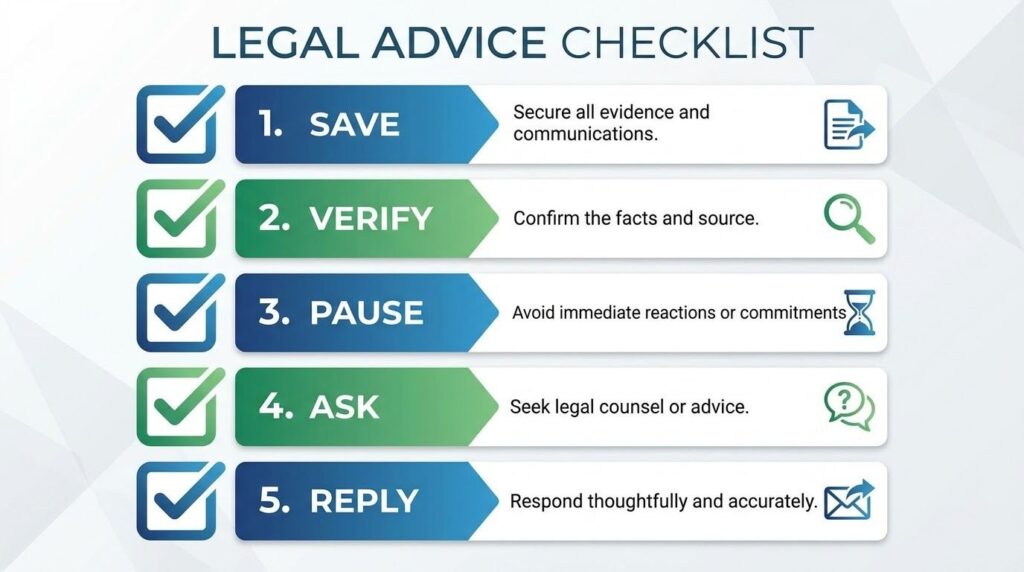
Stay calm, do not hand over documents right away, and check who is asking. A staff phone call is not the same as a certified letter from the superintendent. Review your filed affidavit, save everything in writing, and contact CHAP, HSLDA if you are a member, or a Pennsylvania attorney before you respond.
Step-by-step
- Save the request. Keep the letter, email or voicemail, and write down the date and time.
- Check who sent it. A certified letter signed by the superintendent is a formal step. A secretary’s call or note is not.
- Re-read your own filing. Confirm the date you submitted your notarized affidavit or unsworn declaration and objectives.
- Find the statute’s answer. Read Section 1327.1 for yourself. Estrada recommends homeschoolpennsylvania.org, which posts the law with plain-language explainers and videos. PDE’s Home Education Program circular is another plain-language source.
- Do not send extra papers yet. That includes your diploma, portfolio or a lease, unless the request fits one of the program-based exceptions above.
- Get advice before you reply. Use the CHAP contact form at chaponline.com, call HSLDA if you are a member, or speak with a Pennsylvania education attorney.
- Reply in writing. Keep it short and polite, and keep a copy.
Your paper trail checklist
- ☐ Copy of your notarized affidavit or unsworn declaration and objectives
- ☐ Proof of when and how you filed it, such as an email, receipt or certified-mail slip
- ☐ Your evaluator’s certification and the date you submitted it
- ☐ A log of every call, email, voicemail and letter from the district, with dates
- ☐ A copy of Section 1327.1 (24 P.S. § 13-1327.1)
A sample reply you can adapt
Have CHAP or an attorney review any reply before you send it. Check the statute’s current wording, too.
Dear [Superintendent’s Name],
I filed my notarized affidavit and educational objectives on [date] under 24 P.S. § 13-1327.1. As I understand the statute, that sworn document is sufficient evidence of the facts it states. Please tell me in writing which section of the law requires the additional document you requested.
Sincerely, [Your Name]
When to call a lawyer right away
Do not wait if you receive a certified letter, a truancy petition or court papers, notice of a hearing, or news that your child has been marked absent. Those steps can affect your right to homeschool.
HSLDA’s phone line is 540-338-5600, Monday to Friday, 8:30 a.m. to 5:00 p.m. Eastern. HSLDA serves its members. If you are not a member, a licensed Pennsylvania attorney can review your situation.
You can also email the Department of Education’s Home Education Office at RA-home-education@pa.gov with questions about what the law requires. PDE’s Home Education Program page also posts the sample affidavit and unsworn declaration forms.
Does This Lawsuit Affect Whether a Homeschool Diploma Is Valid?
No. The ELANCO case was about whether a district can demand to see a parent’s diploma. It was not about whether a homeschool graduate’s diploma is valid. If you need to know how colleges or employers treat a homeschool diploma, check their policies and the Pennsylvania Department of Education’s home education information.
Two different questions
People often mix up two ideas. One is the parent’s diploma, which proves the supervisor meets the law’s basic education requirement. The other is the student’s diploma, which a graduate shows to a college or employer.
The ELANCO case dealt only with the first one.
What the state says about homeschool diplomas
Pennsylvania’s rules for homeschool graduation changed with Act 196 of 2014. Section 1327.1(d) sets minimum courses for grades nine through twelve, starting with four years of English. PDE publishes home education diploma definitions, and its guidance refers to authorized diploma-granting organizations. Many district board policies add that the district is under no obligation to award its own diploma to a homeschooled student.
A note on conflicting online reports
Some websites describe a separate lawsuit over homeschool diploma validity, or say the ELANCO case is still ongoing. The primary sources reviewed for this article, HSLDA and LancasterOnline, report that the ELANCO case settled in the fall of 2025. When you read legal news, check the date, the named parties, and whether the site cites a court or a lawyer.
Frequently Asked Questions
Do Pennsylvania homeschool parents have to show their high school diploma to the school district?
No, not as a routine demand. Pennsylvania requires the homeschool supervisor to have a high school diploma or equivalent. You prove it by filing a notarized affidavit or unsworn declaration under penalty of perjury. The statute treats that sworn document as sufficient evidence unless the district has proof you lied. Some situations, like joining district programs, can differ.
What was the ELANCO homeschool diploma lawsuit about?
In September 2025, two families sued the Eastern Lancaster County School District after officials visited their homes demanding copies of the parents’ diplomas and warned of truancy charges. The families said the district went beyond the Pennsylvania School Code and skipped the certified-letter process. They asked for a court declaration and an injunction.
Did the ELANCO lawsuit go to trial?
No. The case settled before a court ruled on the merits. ELANCO’s school board approved a settlement on October 20, 2025, and a motion to dismiss was filed in early November. Because no judge decided the case, there is no court opinion setting binding precedent for other districts.
Does the ELANCO settlement apply to every Pennsylvania school district?
Not automatically. The settlement is an agreement between ELANCO and the two families who sued. The statute, Section 1327.1, applies statewide, though. HSLDA reports that several other districts changed course after seeing the ELANCO complaint, but those are HSLDA’s reports, and each district’s practices can differ.
Can a Pennsylvania school district visit my home or threaten truancy charges over homeschool paperwork?
Not under the process the statute sets out. HSLDA says the law uses a certified letter signed by the superintendent, 30 days to respond, and a hearing before a neutral officer. It says nothing in that process allows home visits. The ELANCO settlement bars visits tied to the education program for those families.
What should I do if I get a certified letter from my superintendent?
Treat it as serious and time-sensitive. A certified letter signed by the superintendent starts a formal legal step with a 30-day response window. Write down the date you received it, save a copy, and contact CHAP, HSLDA if you are a member, or a Pennsylvania attorney right away. Reply in writing before the deadline.
Is a GED enough to homeschool in Pennsylvania?
Yes. Pennsylvania requires a high school diploma or its equivalent, and district guidance and news reports treat a GED as an equivalent. The ELANCO dispute covered demands for both diplomas and GED proof. You still prove it the same way, through your notarized affidavit or unsworn declaration, not by handing over a copy.
When are the Pennsylvania homeschool deadlines for the affidavit and evaluation?
File your notarized affidavit or unsworn declaration, with your educational objectives, before you start homeschooling and by August 1 each year after that. Submit your qualified evaluator’s certification to the superintendent by June 30. Confirm current details with the statute or the Pennsylvania Department of Education, because paperwork rules can change.
Conclusion: Know the Law, Then Stay Calm
The homeschool diploma lawsuit in Pennsylvania ended with a simple point. Under 24 P.S. § 13-1327.1, your notarized affidavit or unsworn declaration is the proof of your diploma, and districts must follow the certified-letter process if they have concerns.
The ELANCO settlement is not binding precedent, but it shows what one district agreed to do. HSLDA reports that other districts have backed down when shown the statute. The best protection is still your own preparation: file on time, keep copies, and pause before you hand over anything extra.
If your district has asked for your diploma, your portfolio or a home visit, do not face it alone. Contact a licensed Pennsylvania attorney or a homeschool support organization such as CHAP before you respond. They can review your exact situation, which no general article can do.
Disclaimer: This is general information only and is not a substitute for advice from a qualified attorney licensed in your jurisdiction. Laws and school district practices change, and reading this article does not create an attorney-client relationship.