



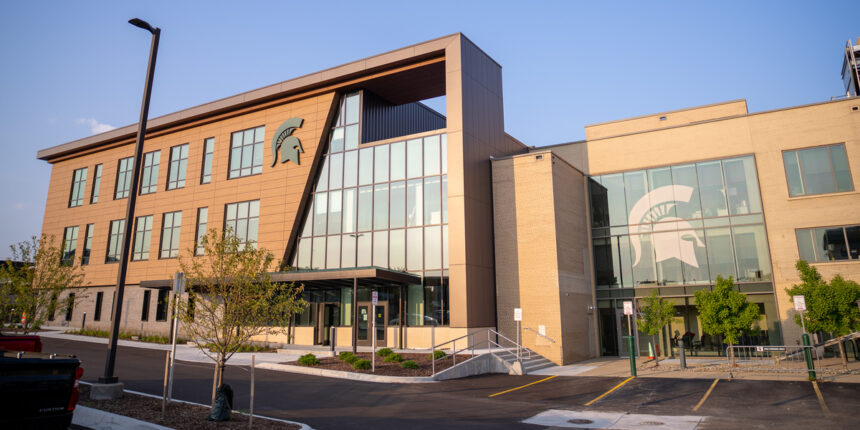
The MSU chemical exposure lawsuit is a $100 million case filed by former graduate student LingLong Wei against Michigan State University. Wei says she was made to spray toxic pesticides without protective gear during her horticulture research, and that this exposure caused her thyroid cancer.
- Quick Facts: MSU Chemical Exposure Lawsuit
- What Is the MSU Chemical Exposure Lawsuit About?
- Who Is LingLong Wei?
- What Chemicals Was Wei Allegedly Exposed To?
- Timeline of the MSU Chemical Exposure Lawsuit
- What Does the Lawsuit Allege?
- In Her Own Words
- What Has MSU Said About the Lawsuit?
- How Do You Sue a State University in Michigan?
- What Is a Notice of Intent to Sue?
- Why the Michigan Court of Claims?
- Could Sovereign Immunity Affect This Case?
- Is the MSU Chemical Exposure Lawsuit Still Ongoing?
- What Is a Toxic Tort Lawsuit?
- What This Means for Student Researchers
- What to Do If You Were Exposed to Hazardous Chemicals as a Student
- Frequently Asked Questions
- Q1. Who is suing Michigan State University in the chemical exposure lawsuit?
- Q2. How much money is being sought in the MSU lawsuit?
- Q3. What chemicals is MSU accused of exposing Wei to?
- Q4. What illness did LingLong Wei develop?
- Q5. Has Michigan State University responded to the lawsuit?
- Q6. Is the MSU chemical exposure lawsuit still ongoing?
- Q7. What is a toxic tort lawsuit?
- Q8. Why do lawsuits against Michigan State University go through the Court of Claims?
- Key Takeaways
- Conclusion
This case matters beyond one lawsuit. It raises real questions about how universities protect student researchers who work with hazardous chemicals, and what legal options those students have if they get sick years later.
Quick Facts: MSU Chemical Exposure Lawsuit
| Detail | Information |
|---|---|
| Plaintiff | LingLong Wei, former MSU graduate student and research assistant |
| Defendants | Michigan State University, MSU Board of Trustees, College of Agriculture and Natural Resources, Department of Horticulture, Office of International Students and Scholars, plus individuals Bernard Zandstra, Peter Briggs, and Rodney Tocco Jr. |
| Program | Master’s degree, Horticulture, MSU College of Agriculture and Natural Resources |
| Years enrolled | 2008–2011, as an F-1 visa international student from China |
| Chemicals named | Paraquat dichloride, glyphosate, oxyfluorfen |
| Diagnosis | Papillary thyroid carcinoma, diagnosed July 11, 2024 |
| Amount sought | $100 million — covering economic/work-loss damages, pain and suffering, psychological injuries, and physical injuries |
| Law firm | Greenlight Law Firm |
| Attorneys | Maya Green and Tilmandra Wilkerson |
| Demand letter sent | March 2025 |
| Notice of intent / filed | Notice of intent filed with the Michigan Court of Claims in July 2025; full lawsuit filed August 18–19, 2025 |
| Case status | Active litigation; discovery phase as of early 2026 |
What Is the MSU Chemical Exposure Lawsuit About?
The MSU chemical exposure lawsuit is a $100 million case in which former graduate student LingLong Wei accuses Michigan State University of exposing her to toxic pesticides without safety gear. Wei worked as a horticulture research assistant from 2008 to 2011 and was later diagnosed with thyroid cancer, which her lawsuit says the chemical exposure caused.
Wei’s attorneys announced the case at a press conference in Lansing on August 18, 2025. They say the university had every resource it needed to protect her and simply didn’t use it.
Who Is LingLong Wei?
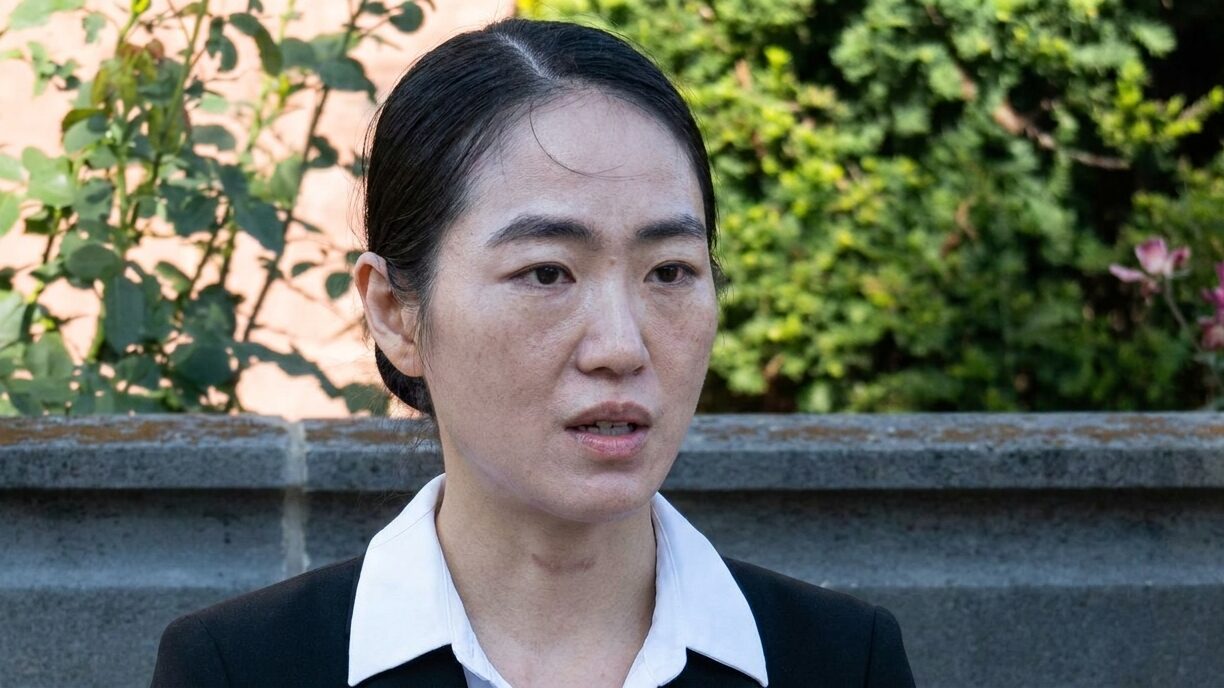
LingLong Wei is a former Michigan State University graduate student from China who studied horticulture from 2008 to 2011. She worked as a research assistant, spraying pesticides as part of her degree program. In 2024, she was diagnosed with thyroid cancer, which led her to file a $100 million lawsuit against MSU in 2025.
Her Background as an International Student
Wei came to MSU on an F-1 visa, the standard visa category for full-time international students in the United States. According to her attorneys, coming to study in Michigan felt like a dream come true.
That dream turned difficult fast. Her attorneys say that before Wei had even taken her first class, she was sent hours away from campus to spray hazardous pesticides and herbicides.
See also: Homeland Security Student Visa Lawsuit
What Chemicals Was Wei Allegedly Exposed To?

Wei’s lawsuit names three chemicals: paraquat dichloride, glyphosate, and oxyfluorfen. These are pesticides and herbicides used in agricultural research. A study in the Journal of Clinical Endocrinology and Metabolism found that 10 of 29 studied pesticides, including these three, were linked to a higher risk of thyroid cancer.
The Science: Pesticides and Thyroid Cancer Risk
The study, summarized publicly by UCLA Health, looked at 29 different pesticides used in U.S. agriculture. Researchers found that 10 of them — paraquat dichloride, glyphosate, and oxyfluorfen among them — were associated with a higher risk of thyroid cancer in people who used them.
“Associated with” is an important phrase here. It means researchers found a statistical link, not that any single exposure is guaranteed to cause cancer in any one person. That distinction matters a lot in a courtroom, which is why Wei’s attorneys have said they already have expert witnesses lined up to testify about the connection between her specific exposure and her diagnosis.
There’s also a simpler point her legal team has raised publicly: pesticide products carry warning labels for a reason, and those labels exist because federal law requires manufacturers to spell out how to use the product safely. If a product isn’t used the way its label instructs, the safety protections built into that label don’t apply.
For context on how seriously courts can take this kind of claim: glyphosate, one of the three chemicals named in Wei’s complaint, is also the chemical at the center of tens of thousands of lawsuits filed nationwide against Bayer over its Roundup weed killer. Those cases allege glyphosate exposure caused non-Hodgkin lymphoma — a different disease than Wei’s thyroid cancer — but they show that glyphosate-related litigation is neither rare nor untested in U.S. courts.
Timeline of the MSU Chemical Exposure Lawsuit
| Date | Event |
|---|---|
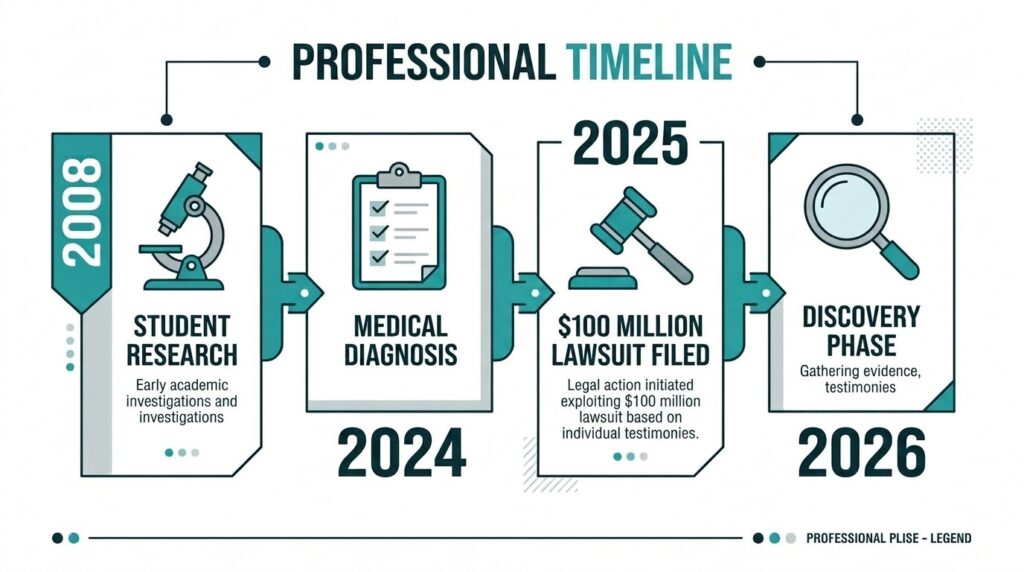
| 2008–2011 | Wei enrolled at MSU as a horticulture graduate student and international research assistant; alleges repeated pesticide exposure without PPE or training, starting before her first class |
| 2010–2011 | Wei says she reported symptoms at MSU’s Olin Health Center and raised safety concerns with her department and the international students office; she says no one investigated a link to chemical exposure |
| July 11, 2024 | Wei is diagnosed with papillary thyroid carcinoma |
| March 2025 | Wei’s attorneys send a demand letter to MSU |
| July 2025 | Wei’s attorneys file a notice of intent to sue with the Michigan Court of Claims |
| August 18, 2025 | Wei and her attorneys hold a press conference in Lansing announcing the $100 million lawsuit |
| Early-to-mid 2026 | Case proceeds into the discovery phase; plaintiffs reportedly seek internal MSU safety records from 2010–2011 |
What Does the Lawsuit Allege?
Wei’s lawsuit alleges gross negligence and negligent infliction of emotional distress by Michigan State University. She says the school failed to provide protective equipment or safety training despite her repeated requests, and that MSU’s health center dismissed her symptoms as anxiety instead of investigating chemical exposure.
The Named Defendants
Besides the university itself, the lawsuit names the MSU Board of Trustees, the College of Agriculture and Natural Resources, the Department of Horticulture, and the Office of International Students and Scholars. Three individuals are also named: Bernard Zandstra, a professor emeritus in the horticulture department; Peter Briggs, the former director of the Office for International Students and Scholars; and Rodney Tocco Jr., who served as a research manager while Wei was a student.
Failure at Olin Health Center
According to the complaint, Wei sought treatment at MSU’s Olin Health Center for shortness of breath while she was still a student. Staff there reportedly told her the symptom was anxiety, rather than looking into a possible connection to her chemical exposure.
Legal Claims Explained
Gross negligence means more than an ordinary mistake. It means a defendant knew about a serious risk and still failed to take reasonable steps to prevent harm. Wei’s complaint argues MSU knew these chemicals were dangerous and had the resources to protect her, but didn’t.
Negligent infliction of emotional distress is a legal claim for the psychological harm caused by another party’s careless conduct — in this case, the fear, depression, and distress Wei says she’s experienced from her diagnosis and its aftermath.
What Damages Is Wei Seeking?
The $100 million figure covers several categories: economic and work-loss damages (medical bills and lost earning capacity), pain and suffering, psychological injuries, and physical injuries, including the permanent surgical scar from her thyroidectomy.
In Her Own Words
At the August 2025 press conference, Wei described her ongoing recovery. She said she now takes daily thyroid medication, will have the surgical scar for life, and struggles with depression tied to hormone imbalances. She also said fatigue affects her daily life and career, and that she fears she may never be able to have children because of the hormonal effects of her treatment.
She added that doctors have found nodules remaining in her body, which she said could develop into another cancer in the future.
On why she didn’t push harder for protection as a student, Wei said she was scared of how her department was treating her, and that:
“I did speak up about my concerns, but no one listened.”
She said she was speaking publicly, in part, so that other students — especially international students, who she said are often overlooked because people assume they’ll simply return home after graduation — don’t go through the same experience.
What Has MSU Said About the Lawsuit?
Michigan State University has not commented on the specific allegations, citing pending litigation. Spokesperson Amber McCann said MSU prioritizes the health and safety of its campus community and provides required training and protective equipment under university policy and state and federal law.
Wei’s attorneys have said MSU did not respond to the demand letter they sent in March 2025. One attorney told reporters at the press conference that the university’s silence “speaks volumes.”
How Do You Sue a State University in Michigan?
Michigan law requires most lawsuits against a state institution like Michigan State University to go through the Michigan Court of Claims, not a regular county court. Plaintiffs typically must first file a notice of intent to sue, giving the state advance warning before the case itself is filed.
What Is a Notice of Intent to Sue?
Under Michigan’s Court of Claims Act (MCL 600.6401 et seq.), the specific notice rules live in MCL 600.6431. That statute generally requires a claimant to file a written claim or notice of intent within one year of when the claim arose — but personal-injury claims like Wei’s carry a stricter six-month notice deadline. The notice has to include when and where the claim arose, a description of the injury and damages, and it must be signed and verified under oath.
Why the Michigan Court of Claims?
The Court of Claims exists specifically to hear claims against the State of Michigan and its agencies, including public universities. This gives the state advance notice of lawsuits so it can investigate and prepare — one reason cases against public universities can look procedurally different from a typical personal-injury lawsuit against a private company.
Could Sovereign Immunity Affect This Case?
Sovereign immunity is a legal doctrine that can shield government entities from certain lawsuits unless a specific exception applies. Because MSU is a state institution, this doctrine could shape which claims move forward and which don’t.
Here’s a simple way to picture it: imagine a court finds that one claim in a lawsuit fits an exception to immunity, but a second, related claim doesn’t. The case could continue on the first claim while the second gets dismissed — even though both claims came from the same underlying facts. That’s the kind of procedural wrinkle that makes lawsuits against state universities more complicated than lawsuits against private employers.
Is the MSU Chemical Exposure Lawsuit Still Ongoing?
Yes. As of early 2026, the MSU chemical exposure lawsuit was in the discovery phase in the Michigan Court of Claims. Wei’s attorneys have reportedly sought MSU’s internal pesticide-safety records from 2010–2011. No trial date, settlement, or ruling has been publicly reported.
Toxic tort cases like this one often take months or years to resolve. A lot of that time goes toward expert testimony connecting the chemical exposure to the specific diagnosis — which is exactly the kind of evidence Wei’s attorneys have said they’re prepared to present.
What Is a Toxic Tort Lawsuit?
A toxic tort lawsuit is a civil claim alleging that exposure to a hazardous substance — a chemical, pesticide, or drug — caused a plaintiff’s injury or illness. To win, a plaintiff generally must prove exposure, a duty of care, a breach of that duty, causation, and measurable damages.
The Five Elements of a Toxic Tort Claim
- Exposure — the plaintiff was actually exposed to the substance
- Duty of care — the defendant had a responsibility to prevent or limit exposure
- Breach — the defendant failed to meet that responsibility
- Causation — the exposure caused, or substantially contributed to, the illness
- Damages — the measurable harm that resulted
Real-World Example: How Causation Gets Proven
Causation is usually the hardest part of a toxic tort case, and reporters covering Wei’s lawsuit have pushed her attorneys on exactly this point — the link between pesticide exposure and any one person’s cancer is difficult to prove with certainty.
Here’s why that’s true in practice. Imagine two students worked in the same field, spraying the same pesticide for the same number of years. One later develops thyroid cancer. The other doesn’t. Showing that the chemical is capable of causing thyroid cancer isn’t enough on its own — a plaintiff’s legal team also has to show it’s more likely than not that the exposure caused that specific person’s illness, usually through expert medical and epidemiological testimony rather than the general pesticide-safety research alone.
See also: Homeland Security Student Visa Lawsuit
What This Means for Student Researchers
Wei’s case highlights a real risk for graduate student researchers, especially international students, who may feel pressure not to challenge unsafe lab or field conditions. Universities generally have a legal duty to provide protective equipment and safety training for hazardous research work.
Common Mistake: Staying Silent Out of Fear
Wei has said publicly that she didn’t push harder for her own protection because she was afraid of how her department would treat her. That’s a common and understandable reaction, especially for a student whose visa status and academic future can feel tied to staying on good terms with a department.
It’s worth naming clearly: student researchers, regardless of visa status, are generally owed the same basic safety protections as any other worker handling hazardous materials. Fear of upsetting a supervisor is a real barrier to speaking up — but it isn’t a legal barrier to having a valid claim later if something goes wrong.
What to Do If You Were Exposed to Hazardous Chemicals as a Student
- Write down what you remember — the chemicals involved, your work duties, and roughly how often and how long you were exposed
- Gather any records of safety complaints you made, even informal ones like emails or texts
- Request your student health records, including any visits related to symptoms you now suspect were connected
- Talk to a licensed attorney about whether you may have a claim before any filing deadline passes

Frequently Asked Questions
Q1. Who is suing Michigan State University in the chemical exposure lawsuit?
LingLong Wei, a former MSU graduate student who studied horticulture from 2008 to 2011, is the plaintiff. She’s represented by attorneys Maya Green and Tilmandra Wilkerson of Greenlight Law Firm.
Q2. How much money is being sought in the MSU lawsuit?
Wei’s lawsuit seeks $100 million, covering economic and work-loss damages, pain and suffering, psychological injuries, and physical injuries related to her diagnosis and treatment.
Q3. What chemicals is MSU accused of exposing Wei to?
The complaint names paraquat dichloride, glyphosate, and oxyfluorfen — pesticides and herbicides Wei says she was required to spray as part of her horticulture research duties.
Q4. What illness did LingLong Wei develop?
Wei was diagnosed with papillary thyroid carcinoma on July 11, 2024. She underwent surgery to remove her thyroid and continues ongoing hormone therapy and monitoring, including remaining nodules her doctors are watching.
Q5. Has Michigan State University responded to the lawsuit?
MSU has said it cannot comment on pending litigation but stated it provides required safety training and protective equipment in compliance with university policy and state and federal law. Wei’s attorneys say MSU did not respond to their March 2025 demand letter.
Q6. Is the MSU chemical exposure lawsuit still ongoing?
Yes. As of early 2026, the case was in the discovery phase in the Michigan Court of Claims, with no publicly reported trial date, settlement, or ruling on the merits.
Q7. What is a toxic tort lawsuit?
A toxic tort lawsuit is a civil claim alleging that exposure to a hazardous substance caused a plaintiff’s injury or illness. It requires proving exposure, duty of care, breach, causation, and damages.
Q8. Why do lawsuits against Michigan State University go through the Court of Claims?
Because MSU is a state institution, most lawsuits against it must be filed in Michigan’s Court of Claims rather than a regular county court, under the state’s Court of Claims Act. A notice of intent generally has to be filed first.
See also: Find a Legal Professional — MyLawyer360
Key Takeaways
- LingLong Wei, a former MSU horticulture graduate student, is suing the university for $100 million over alleged pesticide exposure between 2008 and 2011.
- She says she was made to spray paraquat, glyphosate, and oxyfluorfen without protective equipment or safety training — starting before she’d even taken her first class — and that this exposure caused her 2024 thyroid cancer diagnosis.
- MSU has not disputed the specific allegations publicly, citing pending litigation, and Wei’s attorneys say the university never responded to their March 2025 demand letter.
- The case is an active toxic tort lawsuit in the Michigan Court of Claims, in the discovery phase as of early 2026, with expert witnesses reportedly lined up to address causation.
Conclusion
The MSU chemical exposure lawsuit is still working its way through the courts, and it will likely take more time before there’s a final outcome. What’s already clear is that it’s raised serious questions about how universities protect student researchers, particularly international students, who work with hazardous materials.
If you believe you were exposed to dangerous chemicals during your own time as a student researcher and have since developed a related illness, the safest first step is talking to a licensed attorney in your state about your specific situation and any deadlines that may apply.
Legal Notice: This article is for informational purposes only and does not constitute legal advice.