



The Cash App spam text lawsuit settlement (Bottoms v. Block, Inc.) was a $12.5 million class action, and approved claimants received $394.36 per accepted claim, with payments starting February 2, 2026. The claim deadline of October 27, 2025 has passed, so no new claims are being accepted. This is general information only, not legal advice from an attorney licensed in your state.
- Quick Summary
- What Is the Cash App Spam Text Lawsuit Settlement?
- Who Qualified for the Cash App Settlement?
- Cash App Settlement Amount and Payout Per Person
- Cash App Settlement Payout Date and Current Status
- How to Check Your Cash App Settlement Claim Status
- Watch Out for Cash App Settlement Scams
- The Law Behind the Case: CEMA vs. TCPA
- What to Do If You Still Get Unwanted Cash App or Spam Texts
- The Bottom Line
- FAQ
- Can I still claim the Cash App spam text settlement in 2026?
- How much was the Cash App settlement payout per person?
- When did Cash App settlement payments go out?
- Who qualified for the Cash App spam text lawsuit settlement?
- Why were only Washington residents eligible?
- Is this the same as the Cash App security or CFPB settlement?
- How do I check my Cash App settlement claim status?
- Are Cash App settlement payments taxable or do they cost a fee?
Quick Summary
- What it was – A Washington class action over unwanted Cash App “Invite Friends” referral texts.
- Payout – Approved claimants received a settlement payment of $394.36.
- Deadline – Filing closed October 27, 2025. There is no late window.
- Who qualified – Washington residents who got a referral text between Nov. 14, 2019 and Aug. 7, 2025 without consent.
- Status now – Payments went out starting February 2, 2026, and distribution is essentially finished.
What Is the Cash App Spam Text Lawsuit Settlement?
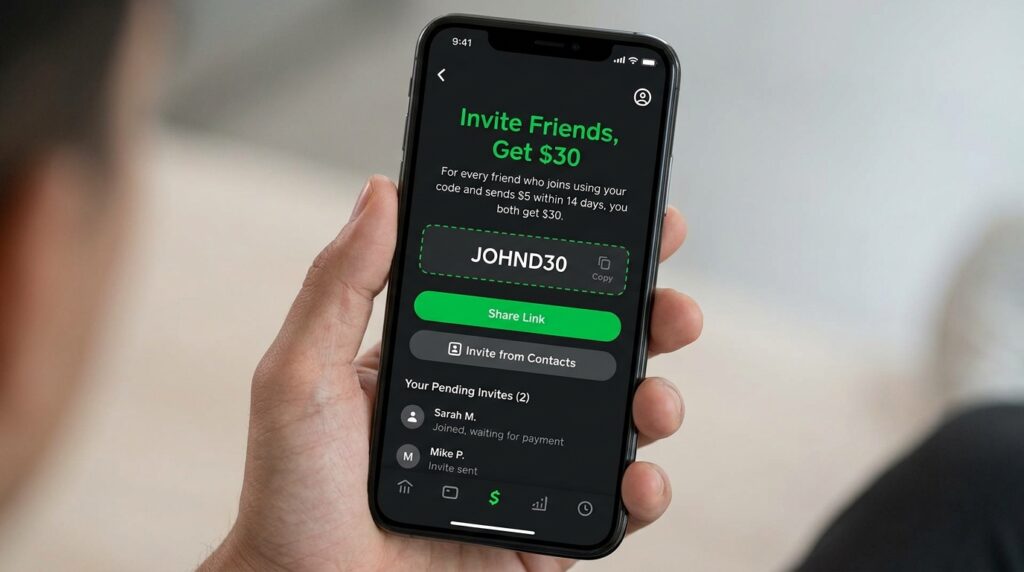
Block, Inc. (Cash App’s parent) settled claims that its Invite Friendsreferral program helped users send unwanted commercial texts to Washington residents. Cash App’s “Invite Friends” referral program incentivized users to send pre-filled text invitations to contacts in their phones.
The texts looked like this: “Hey! I’ve been using Cash App to send money and spend using the Cash Card. Try it using my code and you’ll get $5.” The messages did not indicate that someone had sent or requested money.
The case was filed in late 2023 by Washington resident Kimberly Bottoms. Block denies any wrongdoing and did not admit fault. Laws and settlements vary, so this is general information. Want the basics first?
Who Qualified for the Cash App Settlement?
Only Washington residents who got an unwanted referral text in the covered window qualified. To be a class member, you had to meet all three rules:
- You received a Cash App referral text between Nov. 14, 2019, and Aug. 7, 2025.
- You were a Washington resident at the time you received the text.
- You did not clearly and affirmatively consent in advance to receive it.
Someone outside Washington who got the same text did not qualify, because the case rested on a Washington law. Only the settlement administrator and court records confirm individual eligibility, so this article cannot tell you if you personally qualified.
Cash App Settlement Amount and Payout Per Person
Each approved claimant received $394.36 from the $12.5 million fund. The higher-than-expected amount resulted from fewer valid claims than anticipated; when claim volumes are lower, the per-person payout increases because the fund is divided among fewer recipients. Only about 5% of the estimated 1,975,187 class members filed valid claims.
Here is how the money was divided, as Payments Dive reported:
| Item | Amount/Detail |
|---|---|
| Total settlement fund | $12.5 million |
| Attorneys’ fees | About $3.1 million (25%) |
| Class representative award | $10,000 to Kimberly Bottoms |
| Per-claimant payment | $394.36 |
| Original estimate | $88 to $147 |
Payments were sent via the method each claimant selected on their claim form, such as paper check, Venmo, PayPal, or other electronic options. Leftover or uncashed funds in cases like this often go to a legal-aid nonprofit under a process called cy pres.
Cash App Settlement Payout Date and Current Status
The court granted final approval on Dec. 2, 2025, and the administrator began issuing $394.36 payments on Feb. 2, 2026. Most reissued checks were expected to arrive by Wednesday, April 8, 2026.
| Date | Milestone |
|---|---|
| Late 2023 | Lawsuit filed |
| May 2024 | Federal TCPA claim addressed |
| July 29, 2025 | Preliminary approval |
| October 27, 2025 | Claim deadline |
| December 2, 2025 | Final approval |
| February 2, 2026 | Payments began |
| April 8, 2026 | Most reissued checks expected |
As of mid-2026, distribution is essentially complete. If you filed a valid claim but got no payment, contact the official administrator at BottomsTextSettlement.com, by phone at 1-877-540-7545, or by email at info@BottomsTextSettlement.com.
How to Check Your Cash App Settlement Claim Status
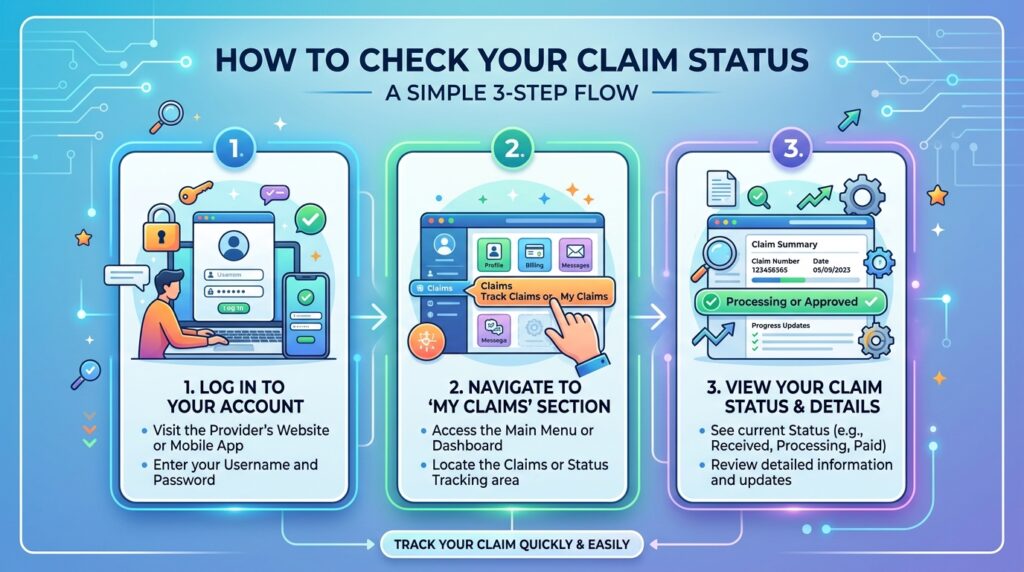
You can no longer file a new claim, because the October 27, 2025 deadline has passed and there is no second round. If you already filed, follow these steps:
- Visit the official settlement site, BottomsTextSettlement.com.
- Have your claimant ID or the phone number that got the text ready.
- Contact the administrator by email or phone if a payment is missing.
If your check has not arrived, email info@BottomsTextSettlement.com and they will check your specific check. LegalExpertise.net is not the settlement administrator and cannot process, track, or release any payment.
Watch Out for Cash App Settlement Scams
Payments are done, so any site or caller claiming to still enroll you, or asking for a fee to “release funds,” is a red flag. Common scam signs include:
- Unofficial phone numbers repeated all over a page.
- Requests for payment to receive money.
- Promises of a “late claim.”
- Pressure to act right now.
Legitimate class action payments never require a fee, and the only trustworthy source is the court-authorized administrator site. Learn more in our guide on how to avoid settlement scams.
The Law Behind the Case: CEMA vs. TCPA
The case did not win on the federal Telephone Consumer Protection Act (TCPA). The court ruled the TCPA doesn’t impose liability for assisting with a text message, since the texts came from users’ own referral actions, not Block directly.
What survived was state law. The class action claimed Block violated Washington’s Commercial Electronic Mail Act (CEMA) and the Washington Consumer Protection Act by substantially assisting Cash App users to transmit unwanted promotional texts. CEMA covers third parties who “initiate or assist” in transmitting those texts. That is why the class was Washington-only.
| Feature | Washington CEMA | Federal TCPA |
|---|---|---|
| Who it covers | Broad commercial texts | Certain automated calls/texts |
| “Assist” liability | Yes | No, per the ruling |
| Where it applies | Washington residents | Nationwide |
| Penalty focus | Statutory penalties | Per-message damages |
Spam-text laws differ by state, so a licensed attorney can explain your rights where you live.
What to Do If You Still Get Unwanted Cash App or Spam Texts
This settlement covered past texts only, so messages arriving now are not part of it. General steps you can take:
- Reply STOP to create a record of revoked consent.
- Forward spam texts to 7726 (SPAM) and file a complaint with the FCC’s consumer complaint center.
- Save screenshots with dates.
Some states, like Washington, offer stronger protections than federal law, so remedies vary by location. Whether a specific text is unlawful depends on the facts and your state’s law, and a licensed attorney can advise.
The Bottom Line
If you already filed a valid claim and your $394.36 payment or reissued check never arrived, contact the official administrator at BottomsTextSettlement.com now, since distribution is nearly finished and that office is your only real fix. Everyone else should treat this case as closed and stay alert to scammers using its name. For related consumer-rights guides, explore LegalExpertise.net, and talk to a licensed attorney for advice about your own situation.
FAQ
Can I still claim the Cash App spam text settlement in 2026?
No. The claim deadline was October 27, 2025, and there is no late window or second round. Only people who filed a valid claim on time can receive money.
How much was the Cash App settlement payout per person?
Approved claimants received a settlement payment of $394.36. That beat the early $88 to $147 estimate because far fewer valid claims were filed, so the fund was split among fewer people.
When did Cash App settlement payments go out?
The settlement administrator began issuing $394.36 payments to approved claimants on Feb. 2, 2026. Most reissued checks were expected by Wednesday, April 8, 2026.
Who qualified for the Cash App spam text lawsuit settlement?
Individuals who received a Cash App referral text while living in Washington between Nov. 14, 2019, and Aug. 7, 2025, and did not clearly and affirmatively consent qualified to file a claim. All three conditions had to be met.
Why were only Washington residents eligible?
The case won under Washington’s CEMA, a state law, not the federal TCPA. The court ruled the TCPA doesn’t impose liability for assisting with a text sent through users’ own referral actions. That limited the class to Washington.
Is this the same as the Cash App security or CFPB settlement?
No. These are three separate matters: the Washington text-spam settlement, a data breach settlement, and a $255 million resolution with the CFPB and state regulators over weak security and dispute handling. Each has its own rules and payments.
How do I check my Cash App settlement claim status?
Use the official administrator site, BottomsTextSettlement.com, with your claimant ID or the phone number that got the text. You can also email or call the administrator. No other site can track your payment.
Are Cash App settlement payments taxable or do they cost a fee?
Legitimate settlement payments never require a fee to receive, so treat any fee request as a scam. Tax rules vary, so ask a qualified tax professional about your own situation.