



The Direct Fairways lawsuit refers to a federal telemarketing case, at least one state contract dispute, and a large pile of unresolved consumer complaints against Direct Fairways LLC, a Tempe, Arizona golf-advertising company. This is general information only. It is not a substitute for advice from a qualified attorney licensed in your jurisdiction.
- What Is the Direct Fairways Lawsuit?
- Who Is Direct Fairways?
- The Verified Federal Case: Lucombe v. Direct Fairways LLC
- Contract Disputes and State Court Cases
- Common Complaint Patterns (Not Lawsuits)
- Claims You Should Treat With Caution
- Is There a Class Action or Settlement?
- What To Do If You Signed a Contract
- How To Vet Any Advertising Company Before You Sign
- FAQ
- Conclusion
If you searched for this topic, you are probably one of two people. Either a golf course or golf-related sales call reached you and something about it felt off. Or you already signed a contract and now you are trying to understand what is fact and what is internet noise.
That second part matters more than most articles let on. Search results for this topic are crowded with dozens of near-identical blog posts. Many repeat the same dramatic numbers (millions in “investor losses,” “300 plaintiffs,” “securities violations”) without linking to a single court filing. This guide separates what is actually documented in public court records from what appears to be unverified content spreading across low-quality legal blogs.
What Is the Direct Fairways Lawsuit?
The phrase “Direct Fairways lawsuit” does not point to one single mega-case. It is really an umbrella term covering three separate things.
- One confirmed federal lawsuit over telemarketing practices.
- Scattered contract and payment disputes, some of which reached state courts.
- A long list of unresolved consumer complaints filed with the Better Business Bureau (BBB), which have not turned into court rulings.
These three categories are not the same thing, even though many articles blend them together. A complaint is one side’s account of a problem. A lawsuit is a formal legal claim filed in court. A settlement or judgment is an actual legal outcome. Right now, most of what exists about Direct Fairways sits in the complaint stage.
Who Is Direct Fairways?
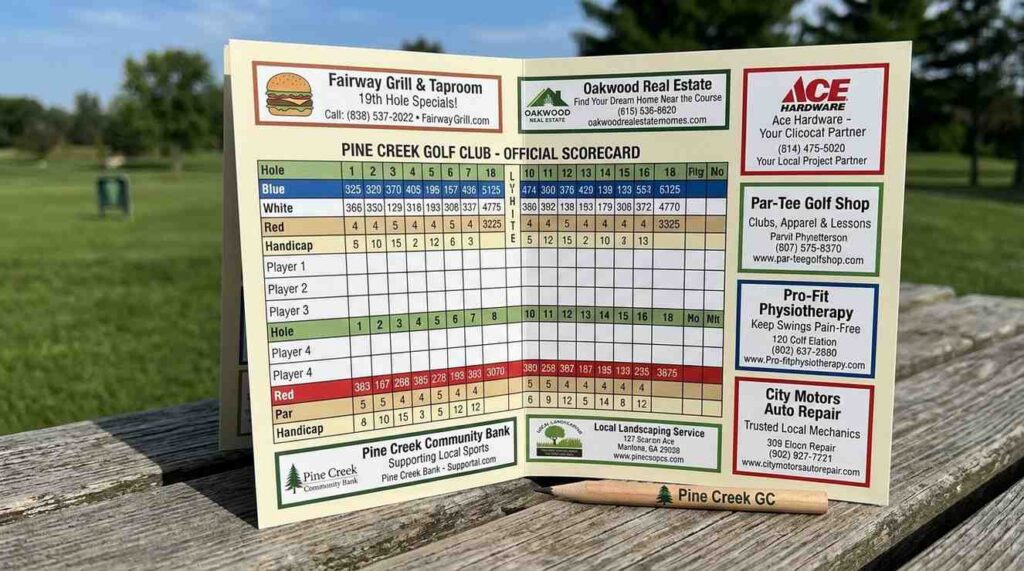
Direct Fairways LLC is a marketing company headquartered in Tempe, Arizona. The company sells advertising space to small businesses, real estate agents, doctors, and local service providers, then places those ads on <cite index=”9-1″>golf course products such as scorecards, yardage books, and course signage</cite>.
The business model works like this: Direct Fairways gives golf courses free printed materials, then <cite index=”9-1″>sells the advertising space on those materials to outside businesses</cite> who want to reach golfers. The pitch to advertisers is usually the same. A sales representative calls, describes a golf audience with strong buying power, and asks for a quick decision.
That sales structure, cold calls followed by fast contract signing, is the thread running through almost every complaint connected to this company.
The Verified Federal Case: Lucombe v. Direct Fairways LLC
This is the part of the story with an actual court docket behind it.
In October 2024, a plaintiff named <cite index=”5-1″>Nigel Lucombe filed a case titled Lucombe v. Direct Fairways LLC in the U.S. District Court for the Middle District of Florida</cite>. The case number is <cite index=”18-1″>8:24-cv-02531</cite>.
The lawsuit alleges violations of the Telephone Consumer Protection Act (TCPA), a federal law that <cite index=”6-1″>restricts the use of certain telephone equipment for unsolicited communications</cite>, including automated calls, texts, and prerecorded messages sent without proper consent.
You can read the FCC’s own consumer guide on unwanted robocalls and texts for a plain English breakdown of what the TCPA actually covers.
In a TCPA case, the legal questions usually come down to a few specific things:
- Did the business have documented consent to call or text the person?
- Was the number on a Do Not Call list?
- What kind of dialer technology placed the call?
Courts in these cases look at call logs, contracts, and recordings. They do not rely on complaint forums or headline summaries. As of this writing, this case represents allegations only. No public court record confirms a final ruling of fraud or a large monetary judgment against Direct Fairways tied to this specific filing.
Contract Disputes and State Court Cases
Separate from the federal TCPA case, there have been commercial contract disputes involving Direct Fairways at the state level. One frequently cited matter dates back to 2022 in Arizona and centered on a payment disagreement tied to advertising services rather than a broad fraud claim.
It is worth understanding why these smaller disputes rarely turn into headline-grabbing court battles. Legal fees are expensive. For many small business owners, the cost of pursuing a lawsuit can exceed the amount of money in dispute. That is a major reason private settlements are more common here than published court rulings, and why complaint records tend to outnumber actual lawsuits.
Some of these disputes have gone the other direction too. Public records indicate Direct Fairways has, at times, been the party initiating legal action to collect on unpaid advertising contracts, with the business on the receiving end sometimes raising counterclaims about how the deal was sold to them.
Common Complaint Patterns (Not Lawsuits)
The Better Business Bureau profile for Direct Fairways LLC shows a substantial complaint history. These are consumer complaints, not court filings, but the patterns are consistent enough to be worth knowing.
Recurring themes in complaints include:
- Ads that were paid for but never printed, even after a design proof was submitted and approved.
- Repeat billing on an account without a second authorization or clear notice.
- Limited written communication, with the company preferring phone calls over email trails.
- Difficulty reaching anyone once a dispute starts.
One representative complaint on file describes a business that secured an ad slot for a spring golf guide, submitted a design proof under time pressure, and then never received confirmation that the ad was actually printed, despite months of follow-up.
If any of this sounds familiar, the good news is that a documented pattern like this is exactly the kind of evidence a consumer protection attorney or your state Attorney General’s office would want to see.
Claims You Should Treat With Caution
Here is where this guide differs from a lot of what is currently ranking on this topic.
A number of blog posts about the Direct Fairways lawsuit include specific, dramatic figures: “$15 to $20 million in investor losses,” claims of “securities violations,” a “class action with 300+ plaintiffs,” and Fair Labor Standards Act (FLSA) violations tied to employee classification.
These claims may sound convincing, but here is the issue: none of the publicly available court records we could locate support a certified class action of that size, a securities case, or a confirmed dollar figure in that range. Securities violations and TCPA telemarketing claims are legally unrelated categories, and mixing them together is a sign of low-quality, possibly AI-generated content rather than verified reporting.
A good rule of thumb applies here. Specific dollar amounts and plaintiff counts should always trace back to an actual case number, docket entry, or press release from a law firm involved in the case. If an article gives you a dramatic figure with no citation, no case number, and no named court, treat that number as unverified.
This is also a good moment to flag a separate, similarly-named company. Some search results mix up Direct Fairways with “Digital Fairways,” a different company facing its own, unrelated lawsuit over golf app subscription billing. These are two different businesses. Do not assume information about one applies to the other.
Is There a Class Action or Settlement?
As of this writing, there is no confirmed, court-certified class action lawsuit or public settlement fund tied to the Direct Fairways name that we could independently verify through court records. What exists is the individual federal TCPA filing described above, a handful of contract disputes, and a large body of unresolved BBB complaints.
Class certification is a formal legal process with strict evidentiary requirements. A company having many complaints does not automatically mean a class action has been filed or approved. If a real class action settlement is ever certified, it would typically be announced through the court itself, through a claims administrator website, or through a law firm’s official case page, not through a generic blog post promising compensation.
If you see an article or social media post promising you can “check eligibility” or “file a claim” for a Direct Fairways settlement right now, verify it against the actual federal court docket before providing any personal or payment information.
What To Do If You Signed a Contract
If you already signed an advertising agreement with Direct Fairways and feel the service did not match what was promised, a few concrete steps can help.
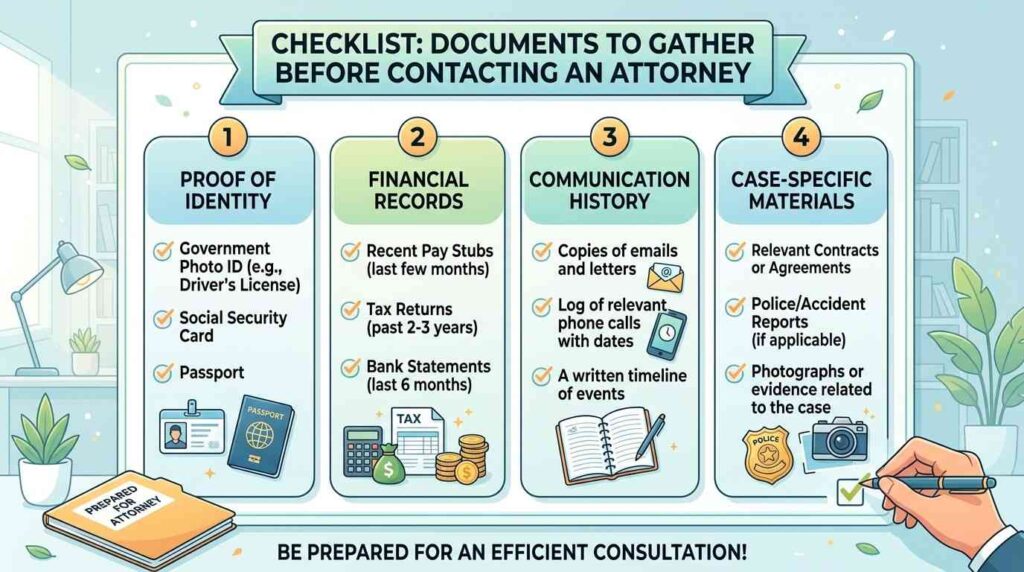
- Pull your full contract. Read the cancellation, refund, and renewal terms word for word.
- Collect your billing records. Bank or credit card statements showing every charge, including any you did not expect.
- Save every communication. Emails, texts, and notes from phone calls, including dates and names of who you spoke with.
- Request written confirmation that your ad ran, including proof like a photo of the printed material or a copy of the guide.
- File a BBB complaint if you have not already. This creates a public, timestamped record.
- Contact your state Attorney General’s consumer protection division if you believe the sales practices were deceptive.
- Speak with a consumer protection or contract attorney in your state before deciding whether to pursue a formal claim.
How To Vet Any Advertising Company Before You Sign
Whether or not you have dealt with Direct Fairways specifically, the same red flags apply to any golf, directory, or niche print advertising pitch.
- Get everything in writing. If a sales rep will not put pricing, cancellation terms, and delivery dates in an email, that is a warning sign.
- Ask for proof of past placements. A legitimate company can show you real, dated examples of ads they have printed.
- Slow down the decision. Any company pressuring you to sign the same day is prioritizing the close over your fit as a client.
- Check the BBB profile and complaint pattern, not just the star rating.
- Confirm the cancellation window before you agree to any recurring or auto-renewing charge.
If you want to see how another business dispute played out once real court records were checked against the online noise, our breakdown of the Trulife Distribution lawsuit follows the same fact first approach.
FAQ
Is Direct Fairways currently being sued?
There is at least one confirmed active federal lawsuit, Lucombe v. Direct Fairways LLC, filed in October 2024 over TCPA telemarketing allegations. There have also been separate state-level contract disputes.
Is there a class action lawsuit against Direct Fairways?
No court-certified, publicly confirmed class action was found in available records as of this writing. Some online articles describe a large class action, but these claims are not backed by a verifiable case number or docket.
What is Direct Fairways accused of?
Public court records point mainly to telemarketing consent issues under the TCPA and individual contract or billing disputes. Consumer complaints separately describe unauthorized charges and undelivered advertising.
Can I get a refund from Direct Fairways?
Refund eligibility depends entirely on your specific contract terms and what you can document. This is a question for a consumer protection attorney reviewing your actual agreement, not something a general article can answer for you.
Is Direct Fairways the same company as Digital Fairways?
No. Direct Fairways sells print advertising on golf course materials. Digital Fairways is a separate company involved in an unrelated dispute over golf app subscription billing. Do not combine information about the two.
How do I file a complaint against Direct Fairways?
You can file with the Better Business Bureau, your state Attorney General’s consumer protection office, and, if the issue involves unwanted calls or texts, the Federal Communications Commission (FCC).
Should I stop payment on my Direct Fairways contract myself?
Do not take unilateral action like disputing a charge or stopping payment without reviewing your contract terms first, since this can carry its own consequences depending on your agreement. Speak with an attorney before making that call.
Where can I check for real Direct Fairways lawsuit updates?
Federal case dockets, including the Lucombe filing, are searchable through PACER or CourtListener. These are the most reliable sources, ahead of any blog summary, including this one.
Conclusion
The Direct Fairways lawsuit is real, but it is smaller and more specific than a lot of headlines suggest. What is actually documented is one federal TCPA case over telemarketing practices, a handful of state contract disputes, and a large stack of unresolved BBB complaints about billing and undelivered ads. What is not documented, at least not in any public court record available right now, are the bigger claims some sites repeat about securities violations, investor losses in the millions, or a certified 300-plaintiff class action.
If you are dealing with a real dispute over an advertising contract, the path forward is the same regardless of what any one blog post claims: gather your documents, file your complaint through official channels, and get a licensed attorney in your state to look at your specific agreement.
This article is general information only and is not a substitute for advice from a qualified attorney licensed in your jurisdiction. For help understanding your specific contract or complaint options, consider reaching out to a local consumer protection attorney or your state Attorney General’s office.