




A wrongful death attorney is a lawyer who helps families sue the person or company responsible when negligence, recklessness, or an intentional act caused a loved one’s death. Losing someone this way is one of the hardest things a family can go through, and the legal side often feels just as confusing as it does painful.
- What Is a Wrongful Death Claim
- Who Can File a Wrongful Death Claim
- Signs You Need a Wrongful Death Attorney Now
- What a Wrongful Death Attorney Actually Does
- Wrongful Death Claim vs Survival Action
- Damages You Can Recover
- How Settlements Are Calculated
- Average Settlement Amounts: The Honest Answer
- Statute of Limitations: How Much Time You Have
- How Much Does a Wrongful Death Attorney Cost
- The Wrongful Death Lawsuit Timeline
- How to Choose the Right Attorney
- Common Mistakes That Hurt a Claim
- FAQ
- Conclusion
This guide walks you through everything: who is allowed to file, what a wrongful death attorney actually does, how much it costs, how compensation gets calculated, and the deadlines that can quietly end your case before it starts.

What Is a Wrongful Death Claim
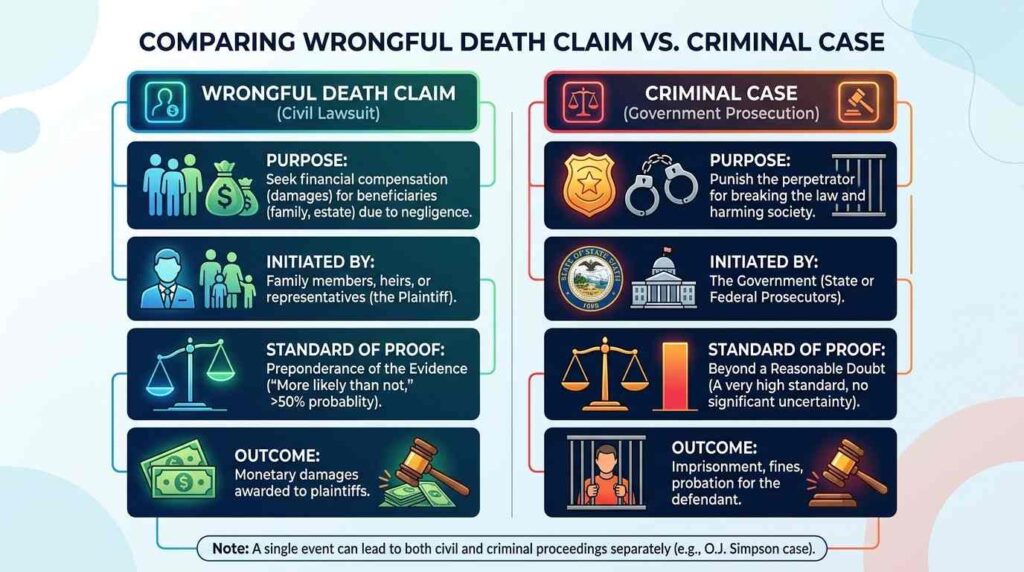
A wrongful death claim is a civil lawsuit, not a criminal case. It lets certain surviving family members sue for money after a death caused by someone else’s negligence or wrongful act.
The claim exists separately from any criminal charges. A driver can face criminal charges for a fatal DUI and a wrongful death lawsuit from the family at the same time. One case does not replace the other.
Common causes behind wrongful death claims include:
- Car, truck, and motorcycle accidents
- Medical malpractice
- Defective products
- Workplace accidents
- Nursing home neglect
- Slip and fall incidents
- Criminal acts, including assault
According to Cornell Law School’s Legal Information Institute, wrongful death statutes exist in every state, though the exact rules on who can sue and what they can recover differ by jurisdiction. Understanding the difference between a lawyer and a licensed attorney is a practical first step when you start looking for help: attorney vs lawyer explained
Who Can File a Wrongful Death Claim
Most states limit who can bring a wrongful death claim to close family members, in a set order of priority.
| Typical Order | Who Qualifies |
|---|---|
| First | Surviving spouse and children |
| Second | Parents (if no spouse or children) |
| Third | Siblings or other dependents, in some states |
| Special cases | Domestic partners, if recognized by state law |
In almost every state, the claim is technically filed by the personal representative of the deceased person’s estate, on behalf of the eligible family members. A probate court usually has to formally appoint that representative before the lawsuit can move forward.
Some states also allow undocumented family members to bring a claim, since immigration status generally does not bar a wrongful death action. Rules vary, so this is worth confirming with an attorney licensed where the death occurred.
Signs You Need a Wrongful Death Attorney Now
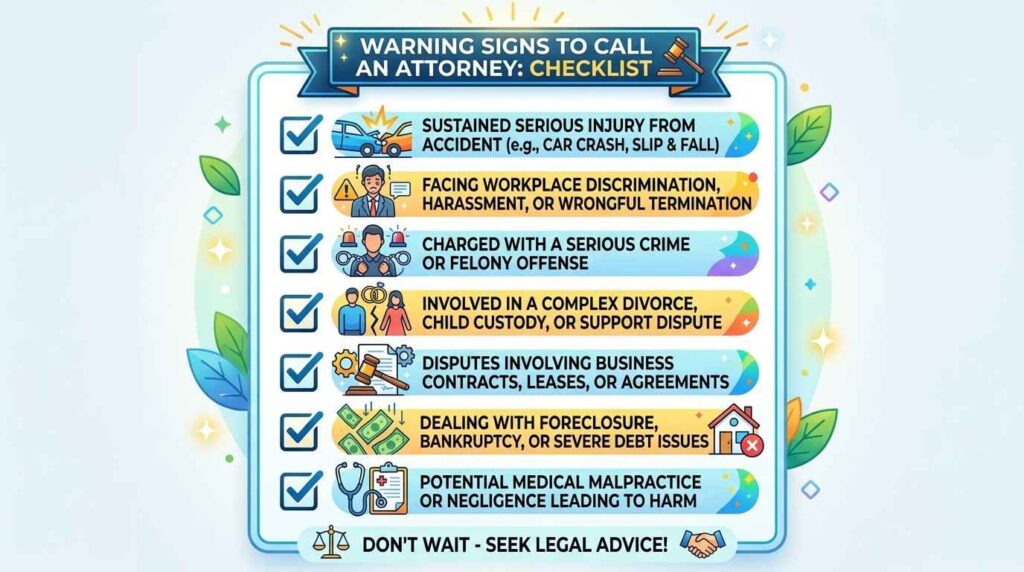
You do not need to wait until you are certain about legal action. Talk to a wrongful death attorney quickly if any of these apply:
- An insurance adjuster has already contacted your family
- You were asked to give a recorded statement
- A settlement offer has already been made
- A criminal investigation is happening alongside the death
- Evidence like a vehicle, medical record, or workplace equipment could be lost or altered
- You are unsure who is even legally allowed to file
Do not give a recorded statement or accept a settlement before speaking with an attorney. Insurance companies are not on your side here, and early offers are almost always lower than what the claim is actually worth.
What a Wrongful Death Attorney Actually Does
A wrongful death attorney takes on the legal and investigative work so a grieving family does not have to.
Here is what that looks like in practice:
- Free consultation. The attorney reviews the facts, explains your options, and outlines fees before you sign anything.
- Investigation. They gather police reports, medical records, witness statements, and expert opinions.
- Identifying every liable party. A single death sometimes involves more than one at-fault party, such as a driver and their employer.
- Filing the claim. This includes getting a personal representative appointed by the probate court if one is not already in place.
- Negotiating with insurers. Most cases are resolved through negotiation, not trial.
- Taking the case to trial, if the insurance company will not offer a fair settlement.
Because a wrongful death case often overlaps with probate, tax, or employment law, an attorney who works with (or has access to) specialists in those areas can avoid costly missteps.
Wrongful Death Claim vs Survival Action
Families are often surprised to learn there are actually two separate legal claims that can follow a death.
| Wrongful Death Claim | Survival Action |
|---|---|
| Recovers the family’s own losses after the death | Recovers what the deceased person could have claimed had they lived |
| Covers loss of income, companionship, and support | Covers medical bills and pain suffered between injury and death |
| Filed on behalf of surviving family | Filed on behalf of the deceased’s estate |
| Money usually goes directly to family members | Money usually passes through the estate |
Some states allow both claims to be filed together. Others only recognize one. This distinction directly affects who gets paid and how much. For more on how legal representation works in these complex cases, see our guide: attorney vs lawyer explained
Damages You Can Recover
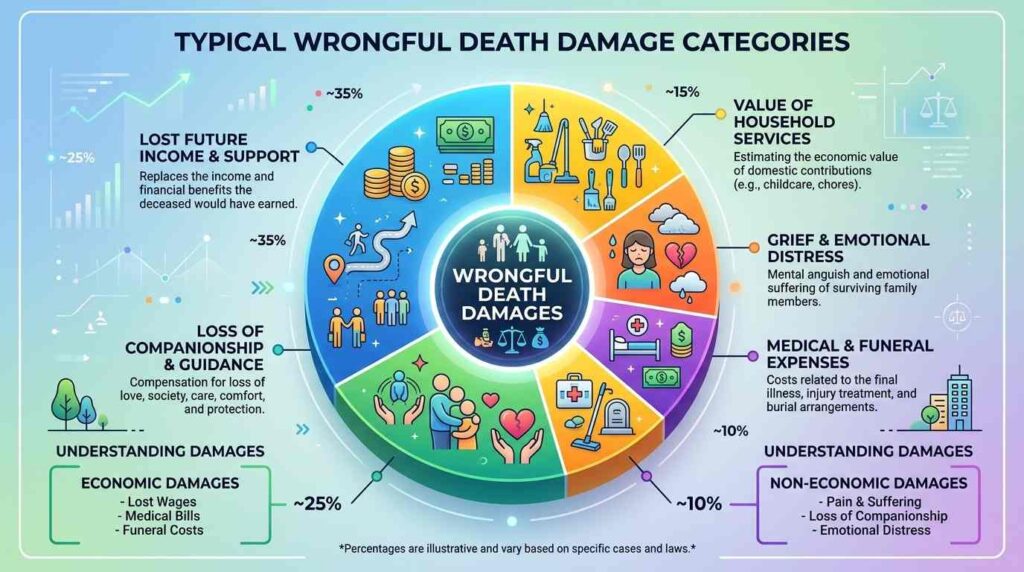
Compensation in a wrongful death case generally falls into three categories.
Economic damages have a paper trail and include:
- Medical bills from the final injury or illness
- Funeral and burial costs
- Lost wages and lost future earnings
- Lost benefits, like health insurance or retirement contributions
- Loss of household services the deceased used to provide
Non-economic damages are harder to put a number on and include:
- Loss of companionship and guidance
- Loss of consortium for a spouse
- Emotional pain and suffering of surviving family members
Punitive damages are rare and only awarded when the at-fault party’s conduct was especially reckless or intentional, not just careless. Many states cap punitive damages or do not allow them in wrongful death cases at all.
One detail families often miss is taxes. According to IRS guidance on settlements and judgments, compensation for physical injury or death is generally not taxable, but portions like punitive damages or interest on a judgment usually are. A tax professional should confirm how this applies to your settlement.
How Settlements Are Calculated
There is no fixed formula written into law, but insurance companies and attorneys commonly use a multiplier method as a starting point.
Here is the basic idea:
- Add up the provable economic damages (medical bills, funeral costs, lost income).
- Multiply that number by a figure, often between 1.5 and 5, based on how severe the loss and the surviving family’s hardship is.
- Adjust based on liability strength, available insurance limits, and state damage caps.
Factors that push a settlement higher include:
- The deceased was a primary income earner
- Young children lost a parent
- Clear, strong evidence of negligence
- High insurance policy limits
Factors that can lower a settlement include:
- Shared fault laws in the deceased’s state
- Limited insurance coverage, even with a strong case
- State damage caps on non-economic or punitive damages
Average Settlement Amounts: The Honest Answer
You will see a widely repeated figure online claiming the “average” wrongful death settlement is a specific dollar amount. Treat any single national number with real skepticism. Most of these figures cannot be traced to an actual source.
What the real data shows instead:
- The Bureau of Justice Statistics found a median jury award around $961,000 in wrongful death trials, based on a national study of tort cases.
- Fewer than 5 percent of wrongful death claims ever reach a jury. Most settle before trial.
- The National Safety Council estimates the comprehensive economic cost of a single traffic death at well over $10 million when quality of life losses are included, though this is an economic model, not a settlement figure.
- NHTSA traffic fatality data shows tens of thousands of traffic deaths every year in the United States, and settlement outcomes for these cases vary enormously by state and insurance limits.
The honest takeaway is this: settlements range from the low hundreds of thousands to several million dollars, and the specific facts of your case, not a national average, determine the real number.
Statute of Limitations: How Much Time You Have
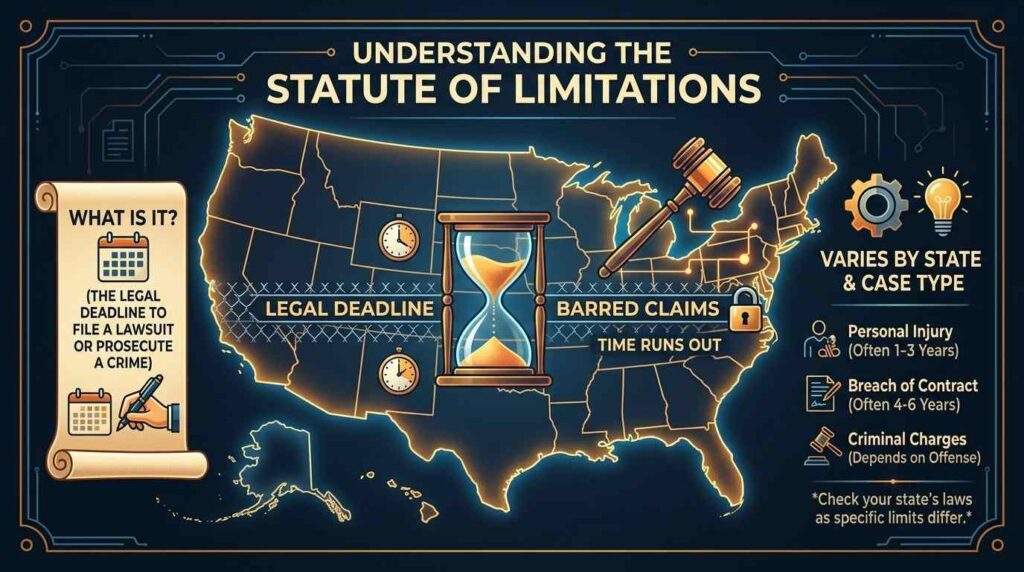
Most states give families two years from the date of death to file a wrongful death lawsuit. Some states allow less time, and a few allow more.
A few important exceptions to know:
- Government defendants. If a government vehicle or agency was involved, you often must file a formal government claim within months, even though the general lawsuit deadline is longer.
- Discovery rule. In some states, the clock does not start until the cause of death is reasonably discoverable, which matters in medical malpractice or product liability cases.
- Minor beneficiaries. Some states pause or extend deadlines when a minor child is one of the beneficiaries.
Missing the deadline in your state usually means losing the right to sue entirely, no matter how strong the case is. Speaking with a licensed attorney early is the safest way to protect your rights — learn more about the difference between a lawyer and an attorney here: attorney vs lawyer explained
How Much Does a Wrongful Death Attorney Cost
Nearly all wrongful death attorneys work on a contingency fee. You pay nothing upfront, and the attorney only gets paid if they win or settle your case.
| Stage of Resolution | Typical Fee Range |
|---|---|
| Settles before a lawsuit is filed | Around 33 percent |
| Settles after a lawsuit is filed | 36 to 40 percent |
| Resolved at trial or on appeal | Up to 40 to 45 percent |
Example: On a $1,000,000 settlement at a 33 percent fee, the attorney receives $330,000 and the family receives $670,000, minus case expenses.
Case expenses are separate from the attorney’s fee and typically cover court filing fees, expert witness costs, and medical record retrieval. Ask upfront whether these are deducted before or after the contingency fee is calculated, and get the fee agreement in writing.
The Wrongful Death Lawsuit Timeline
Most wrongful death cases take 12 to 24 months from filing to resolution. Complex cases, especially those involving medical malpractice or multiple defendants, can take three years or longer.
Step by step:
- Probate appointment. A personal representative is formally named for the estate.
- Investigation and evidence gathering. This can take weeks to months.
- Filing the lawsuit, if a fair settlement is not reached first.
- Discovery. Both sides exchange evidence and take depositions. This is usually the longest phase.
- Mediation or settlement negotiation. Many cases resolve here.
- Trial, only if negotiation fails.
One detail families often overlook: if a criminal investigation is running alongside the civil case, your wrongful death claim may pause while you wait for records the prosecutor has not yet released.
How to Choose the Right Attorney
Not every personal injury lawyer regularly handles wrongful death cases. Look for these specific signs during your free consultation:
- Direct wrongful death trial experience, not just general personal injury work
- A clear, written explanation of the contingency fee and case expenses
- Access to expert witnesses like economists and accident reconstructionists
- A track record of results in cases similar to yours
- Clear, regular communication, not silence between updates
- Comfort level. This will be a long relationship during a hard time, so trust your gut
Bring any documents you already have, such as the death certificate, police report, or medical records, to your first meeting. It speeds up the initial case review significantly.

Common Mistakes That Hurt a Claim
- Waiting too long to consult an attorney, which can mean losing evidence or missing government claim deadlines
- Giving a recorded statement to the insurance company before understanding your rights
- Accepting the first settlement offer, which is almost always lower than fair value
- Posting about the case or the accident on social media, which insurers actively monitor
- Assuming the criminal case covers everything, when the civil case is what actually compensates the family
- Not confirming who is legally eligible to file, which can delay or derail an otherwise strong claim
For practical guidance on finding and evaluating legal help after a serious incident, start with our overview of attorney vs lawyer differences and our guide on checking online legal platforms.
FAQ
Is a wrongful death claim the same as a criminal case?
No. A criminal case punishes the at-fault party for breaking the law. A wrongful death claim is a separate civil lawsuit that compensates the family financially. Both can happen at the same time.
Do I have to pay a wrongful death attorney upfront?
Almost never. Most work on contingency, meaning you pay nothing unless the case results in a settlement or verdict.
Who receives the money from a wrongful death settlement?
It depends on the state and the claim type. In most cases, money from the wrongful death claim goes directly to eligible family members, while money from a related survival action passes through the estate.
What if the person who died did not have a will?
A will is not required to file a wrongful death claim. State law determines who qualifies as an eligible beneficiary regardless of whether a will exists.
How long does a wrongful death lawsuit take?
Most cases resolve in 12 to 24 months. Complex cases involving multiple defendants or medical malpractice can take longer.
Can immigration status affect a wrongful death claim?
Generally no. Most states allow undocumented family members to file and recover compensation, though rules vary, so confirming this with a local attorney is worthwhile.
Is a wrongful death settlement taxable?
Compensation tied to physical injury or death is generally not taxed, but punitive damages and certain interest amounts often are. Check with a tax professional for your specific settlement.
What happens if we miss the statute of limitations?
In most states, missing the filing deadline permanently ends your right to sue, regardless of how strong your case is. This is why speaking with an attorney early matters so much.
Conclusion
Losing a loved one to someone else’s negligence is devastating, and the legal process should never add to that burden more than necessary. A wrongful death attorney exists to carry the investigation, the paperwork, and the negotiation, so your family can focus on healing.
The most important first steps are simple: avoid giving statements to insurers, avoid signing anything, and talk to an experienced attorney before your state’s filing deadline gets closer than you think.