




Introduction
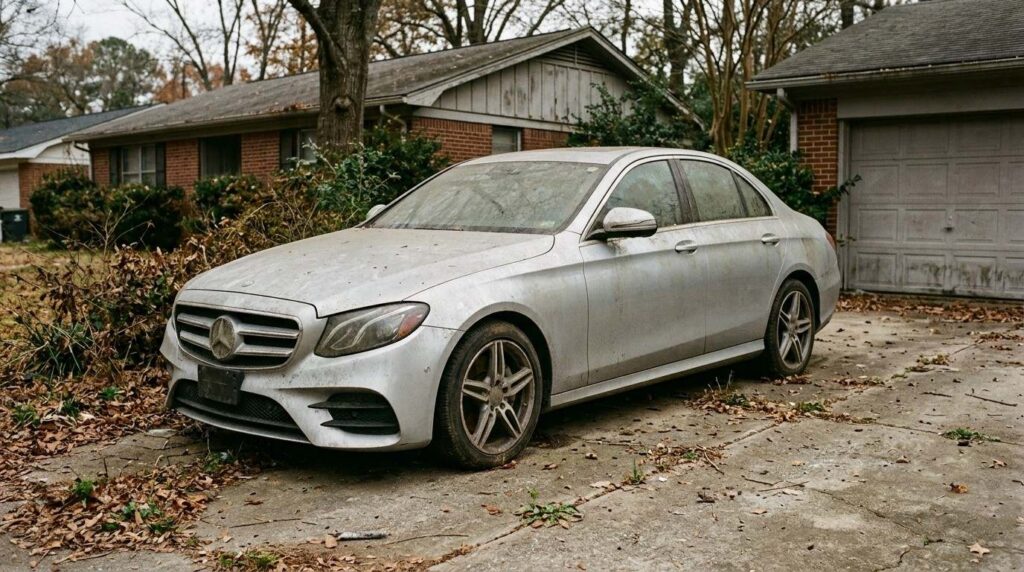
The Kim Muratori Mercedes-Benz lawsuit is a real Florida case that shows what can go wrong when a “certified pre-owned” car isn’t actually inspected the way the dealer claims. Muratori bought a used Mercedes-Benz E-400 in 2022. She later found a zip-tied bumper, a mileage mismatch, and no proof the dealer ever completed its own certification checklist.
- Introduction
- 1. What Happened in the Kim Muratori Mercedes-Benz Lawsuit?
- 2. Full Timeline: 2022 to 2026
- 3. What Was Actually Wrong With the Car
- 3.1 The Zip-Tied Bumper
- 3.2 The Odometer Discrepancy
- 3.3 The Damaged Suspension
- 3.4 The Missing CPO Checklist
- 4. Did Kim Muratori Win Her Lawsuit?
- 5. What Is FDUTPA, and How Did It Apply Here?
- 6. Why the Dealership’s Appeals Failed
- 7. Why Winning Still Cost Her $17,000
- 7.1 Her Attorney’s Warning: “A Small Case Is Almost No Case”
- 7.2 The Costs That Never Show Up in a Damages Award
- 8. What’s Confirmed About the Final Outcome — And What Isn’t
- 9. Does Florida’s Lemon Law Cover Used or CPO Cars?
- 10. Certified Pre-Owned Red Flags Every Buyer Should Know
- 11. Who’s Actually Liable: The Dealer or Mercedes-Benz USA?
- 12. What to Do If You’re in a Similar Situation
- 13. FAQ
- Q1. Did Kim Muratori get paid?
- Q2. What is Section 501.976 of the FDUTPA?
- Q3. Can a car dealer appeal an arbitration award in Florida?
- Q4. Does certified pre-owned status protect you under Florida’s lemon law?
- Q5. How long did the Kim Muratori case take?
- Q6. What should I do if I think my CPO car has a mileage discrepancy?
- Q7. Is arbitration the same as going to court?
- 14. Conclusion
An arbitrator agreed the dealership broke Florida consumer protection law. But it still took Muratori more than two years to get the car taken back and the case resolved. This guide walks through exactly what happened, why it took so long, and what any used-car buyer can learn from her experience.
1. What Happened in the Kim Muratori Mercedes-Benz Lawsuit?
In short: Kim Muratori bought a certified pre-owned Mercedes-Benz E-400 in November 2022. She later discovered a zip-tied bumper, a serious mileage discrepancy, and a missing CPO inspection checklist. An arbitrator ruled the dealer violated Florida’s FDUTPA law and awarded her more than $66,000, though it took two more years and a court order to enforce that ruling.
That’s the short version. The long version is more useful, because it shows exactly where things went wrong — and where Muratori had to fight for something she’d already won.
2. Full Timeline: 2022 to 2026
News coverage of this case came out in pieces over time. Here’s the whole story in order.
| Date | What Happened |
| November 2022 | Muratori buys a used 2018 Mercedes-Benz E-400 as a certified pre-owned (CPO) vehicle from Mercedes-Benz of Fort Lauderdale. |
| ~6 months later (early-to-mid 2023) | She notices the front bumper has come loose. It’s being held on with a zip tie. The dealer repairs it at no charge. |
| Later in 2023 | The car starts running rough. An independent Mercedes technician runs a diagnostic and finds the car has actually been driven 114,688 kilometers (about 71,000 miles) — nearly double the 39,000 miles shown on the dashboard. |
| Mid-2024 | A second independent mechanic finds damaged suspension components and says the car isn’t safe to drive. |
| April 25, 2025 | Arbitration hearings begin between Muratori and the dealership. |
| May 2025 | The arbitrator rules in Muratori’s favor, finding the dealer violated Florida’s Deceptive and Unfair Trade Practices Act (FDUTPA), Section 501.976(3). She’s awarded more than $66,000 in damages, reimbursement of her car payments, and some attorney fees. |
| August 2025 | The dealer still hasn’t paid. Muratori goes public with CBS News Miami. She reports the dealer’s attorney is unresponsive. |
| Late 2025 | The dealer appeals the award to the American Arbitration Association (AAA). The appeal is denied. |
| Early 2026 | The dealer takes the fight to court, arguing the arbitrator was biased. A judge finds no evidence of bias and upholds the award. |
| Throughout the ordeal (2023–2026) | Muratori kept paying insurance and loan payments on a car she legally couldn’t drive — for close to two years, stopping only about a month before the April 2026 report. She also had to buy a second car just to get around while the Mercedes sat parked. |
| April 2026 | The car is finally picked up by the dealership after 25 months of sitting unused. AutoNation confirms it has “fulfilled its obligations” under the court’s decision. Muratori says she still spent about $17,000 in non-recoverable attorney fees. |
Muratori later said the dealership could have avoided all of this. She’s said publicly that if the dealer had worked with her early on, before arbitration ever started, she’d still be driving the car. Instead, she felt ignored — and she believes the dealership assumed she’d eventually give up and walk away. She didn’t.
See also: Florida Window Tint Law
3. What Was Actually Wrong With the Car
3.1 The Zip-Tied Bumper
Finding a zip tie holding a bumper to a Mercedes-Benz isn’t just embarrassing for a dealer. It’s a red flag. A certified pre-owned vehicle is supposed to have already passed a thorough inspection before it’s ever offered for sale. A zip tie suggests either the inspection missed obvious damage, or repairs were done cheaply after the fact.
3.2 The Odometer Discrepancy
This is the most serious defect in the case. An independent Mercedes technician pulled a diagnostic report showing the car’s internal computer recorded 114,688 kilometers, or roughly 71,000 miles. The dashboard odometer showed only 39,000 miles.
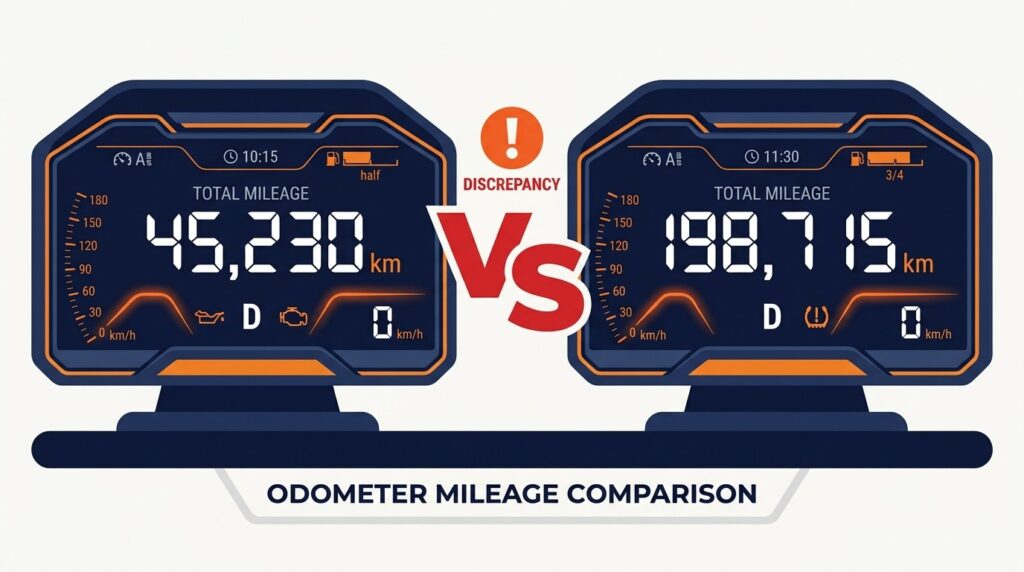
That’s almost double the real mileage. Odometer fraud is a federal and state offense, not just a paperwork mistake. Every extra mile matters because mileage affects a car’s expected wear, resale value, and remaining warranty life.
What if this happened to you? Imagine buying a “low-mileage” CPO car, only to find out two years later it’s actually a high-mileage vehicle. You’d have paid a premium price for a car that doesn’t match what you were sold. That’s exactly Muratori’s situation.
3.3 The Damaged Suspension
A second independent mechanic found the suspension components were damaged enough that the car wasn’t safe to drive. This is the finding that pushed Muratori to stop driving the car entirely and pursue arbitration.
3.4 The Missing CPO Checklist
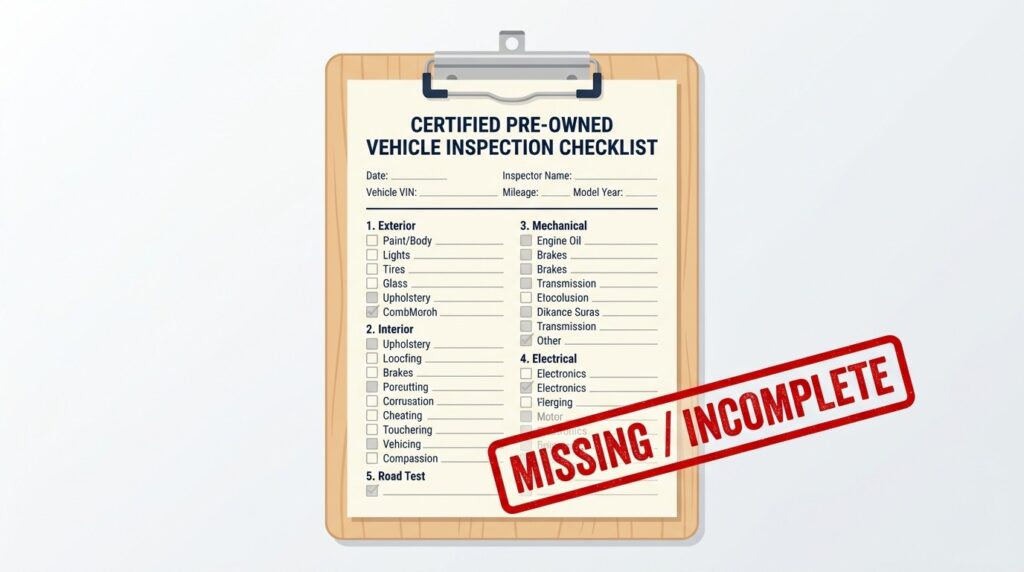
Mercedes-Benz advertises that every certified pre-owned vehicle passes a 165-point inspection. During the arbitration hearing, the dealer could not produce a completed CPO checklist for Muratori’s car. The arbitrator noted plainly that “no reason has been given for the absence of the CPO checklist.”
Muratori says she never received one either — which means there’s no paper trail proving the inspection ever happened at all.
4. Did Kim Muratori Win Her Lawsuit?
Yes. An arbitrator ruled in Muratori’s favor in May 2025, finding the dealer violated Florida’s FDUTPA law. She was awarded more than $66,000 in damages. But winning the ruling and actually collecting on it turned out to be two very different things.
The dealer didn’t pay right away. It appealed first to the American Arbitration Association, then argued in court that the arbitrator was biased. Both attempts failed. A judge upheld the award roughly a year later.
5. What Is FDUTPA, and How Did It Apply Here?
FDUTPA stands for the Florida Deceptive and Unfair Trade Practices Act. It’s a state consumer protection law that bans unfair or deceptive business practices in trade or commerce. It applies to all kinds of businesses, not just car dealers — but car sales are one of the most common places FDUTPA claims come up.
The arbitrator in this case cited a specific part of the law:
“I find that the dealership violated 501.976(3) of the FDUTPA.”
Section 501.976(3) relates to motor vehicle sales practices under Florida’s Motor Vehicle Sale, Repair, and Storage Act, which is enforced alongside FDUTPA. In plain terms: dealers can’t misrepresent a vehicle’s condition, mileage, or inspection status when selling it as certified pre-owned.
Because there was no CPO checklist and a real mileage discrepancy, the arbitrator found the dealer’s conduct crossed the line from a simple mistake into a statutory violation.
See also: Florida Tint Law Guide
6. Why the Dealership’s Appeals Failed
6.1 The AAA-Level Appeal
Once the arbitrator ruled against the dealership, its first move was to appeal directly to the American Arbitration Association. The AAA denied the appeal. Arbitration organizations like the AAA have their own internal review process, but it’s narrow — it generally isn’t a chance to relitigate the facts, only to flag serious procedural problems.
6.2 The Bias Claim in Court
The dealership then took the fight to court, arguing the arbitrator had been biased. A judge reviewed the claim and found no evidence to support it, then upheld the original award.
6.3 Why This Is So Hard to Overturn
Here’s the part most coverage of this case skips: courts almost never overturn arbitration awards just because one side didn’t like the outcome. Under Florida and federal arbitration law, a judge can only vacate an award in narrow situations — for example, real proof of fraud, corruption, or an arbitrator who exceeded their authority. Simply disagreeing with the result isn’t enough.
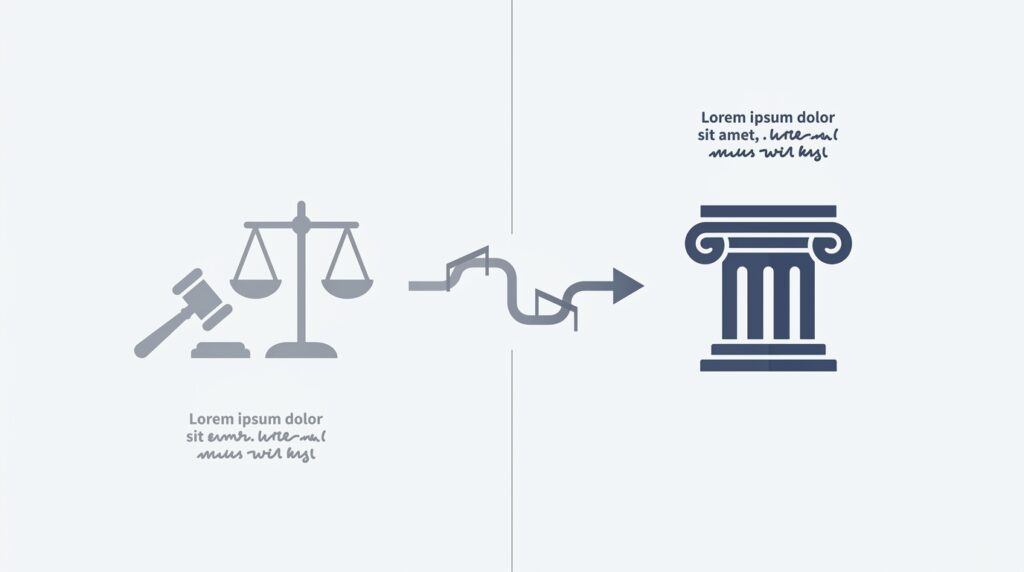
Think of it like an instant replay review in football. The referee’s call on the field stands unless there’s clear, indisputable evidence it was wrong. A judge reviewing an arbitration award works the same way — the original ruling gets the benefit of the doubt.
That’s exactly why the dealer’s bias claim went nowhere. Without solid proof, courts are built to respect the arbitrator’s decision, not second-guess it.
7. Why Winning Still Cost Her $17,000
Muratori won her case. She still says she spent about $17,000 in attorney fees that she never got back.
This surprises a lot of people, because FDUTPA does allow a prevailing party to recover attorney fees in many cases. But “many cases” doesn’t mean “every dollar, automatically.” Fee awards in Florida are usually capped, negotiated, or reduced by a judge based on what’s considered reasonable — and getting a dealer to actually pay even a court-ordered fee award can take more legal work, which adds more cost.
Here’s a simple way to think about it: winning a case gets you a legal right to be paid. Collecting that money is a separate battle, and every hour your attorney spends chasing payment is another hour you may have to pay for yourself.
7.1 Her Attorney’s Warning: “A Small Case Is Almost No Case”
Muratori’s attorney, Eduardo Ayala, made a point that’s worth sitting with. He explained that under how Florida’s arbitration and contract laws work, even a consumer with real resources can end up financially underwater on a case that’s technically small — because the cost of enforcing your rights can rival or exceed what the case is actually worth.
That’s a hard truth for anyone considering a consumer protection claim. It doesn’t mean the claim isn’t worth pursuing. It means going in with realistic expectations about time and cost matters just as much as knowing you’re legally right.
7.2 The Costs That Never Show Up in a Damages Award
Legal fees weren’t Muratori’s only expense. Because her Mercedes wasn’t safe to drive, she had to buy a second car just to keep her daily life running while the case dragged on. She also kept paying insurance and loan payments on the original Mercedes for roughly two years, even though she couldn’t legally drive it — stopping only about a month before the case was finally resolved.
None of that shows up in an arbitration award. It’s the kind of real-world financial strain that a damages number on paper doesn’t capture, and it’s exactly why “winning” a case and coming out ahead financially aren’t always the same thing.
8. What’s Confirmed About the Final Outcome — And What Isn’t
As of the most recent reporting, here’s what’s confirmed:
- The court upheld the arbitration award.
- The dealership picked up the vehicle after 25 months.
- AutoNation stated it has “fulfilled its obligations following the court’s decision.”
- Muratori reports spending roughly $17,000 in fees she can’t recover.
Here’s what hasn’t been publicly confirmed: the exact final dollar amount Muratori actually received. News coverage confirms the arbitrator’s original award (over $66,000 plus car payment reimbursement), and confirms AutoNation says it has met its obligations — but no source has published the final settled figure. If that information becomes public, this article will be updated.
Muratori has also said she plans to write directly to AutoNation’s CEO about her experience — a step that suggests she still doesn’t feel the matter is fully closed, even with the court ruling enforced.
9. Does Florida’s Lemon Law Cover Used or CPO Cars?
Usually, no. Florida’s lemon law mainly protects buyers of new and demonstrator vehicles, not used or certified pre-owned cars. That’s part of why Muratori’s case had to go through FDUTPA and arbitration instead of a lemon law claim.
Florida’s lemon law generally requires that a defect show up within a set window after the original owner takes delivery of a new vehicle. A CPO car, even one sold by a franchised dealer, usually falls outside that window because it’s been previously owned and titled.
This is a common misunderstanding. Many buyers assume “certified” automatically means “covered by lemon law protections.” It doesn’t. That gap is exactly why FDUTPA — a broader deceptive trade practices law — became the legal tool that actually worked in this case.
Picture two buyers side by side. One buys a brand-new Mercedes with a transmission problem that shows up in month three — Florida’s lemon law almost certainly applies. The other buys a two-year-old CPO Mercedes, like Muratori did, with a defect that surfaces after the sale. Same brand, same dealership network, completely different legal path. The CPO buyer has to rely on FDUTPA, breach of contract, or similar consumer protection claims — not the lemon law.
See also: Window Tint Percentage Laws by State
10. Certified Pre-Owned Red Flags Every Buyer Should Know
Cases like this one usually fall under a broader legal category: auto dealer fraud. That’s what it’s called when a dealership misrepresents, hides, or lies about a car’s condition, history, mileage, or sale terms. Rolling back an odometer, hiding a prior accident, or calling a car “certified” when it never passed inspection all fit under that umbrella — and all of it can trigger consumer protection claims like the one Muratori filed.
Most used-car buying guides give generic advice — check the title, get a vehicle history report, avoid buying from a private seller with no paperwork. That advice doesn’t really apply here, because Muratori bought from an authorized franchised dealership under a manufacturer CPO program. The red flags for CPO buyers are different, and more specific:
- Ask to see the completed CPO inspection checklist before you sign anything. If the dealer can’t produce it, that’s the same gap that doomed the dealership in this case.
- Request the manufacturer’s diagnostic mileage report, not just the dashboard reading. A dealer technician can usually pull this in minutes.
- Verify who performed the inspection and when. A checklist with no technician name or date isn’t worth much.
- Get an independent inspection from a technician who doesn’t work for the selling dealer. Muratori’s defects were only caught because she went outside the dealership.
- Ask directly whether any bodywork or repairs were done before the sale, and get it in writing.
11. Who’s Actually Liable: The Dealer or Mercedes-Benz USA?
This is a distinction most coverage skips entirely. Mercedes-Benz of Fort Lauderdale is an independently owned, franchised dealership operating under the AutoNation umbrella. Mercedes-Benz USA, the manufacturer, sets the standards for the CPO program — including the 165-point inspection — but doesn’t directly perform inspections or handle individual sales.
That’s why Mercedes-Benz USA declined to comment, calling it a legal matter between Muratori and the dealership. In general, a manufacturer can face liability if a defect in the vehicle itself (not the sales process) causes harm. But a failure to complete a CPO checklist, or a mileage misrepresentation at the point of sale, is typically a dealership-level issue — which is exactly why the FDUTPA claim was filed against the dealer, not the manufacturer.
Here’s the distinction in practice. If a Mercedes-Benz engine has a factory design flaw that shows up across thousands of vehicles, that’s a manufacturer problem — often the subject of a recall or a class action against Mercedes-Benz USA itself. But if one dealership skips its own required inspection, or a salesperson misstates a car’s mileage during that one sale, that’s a dealership-level dispute. Muratori’s case was squarely the second kind.
12. What to Do If You’re in a Similar Situation
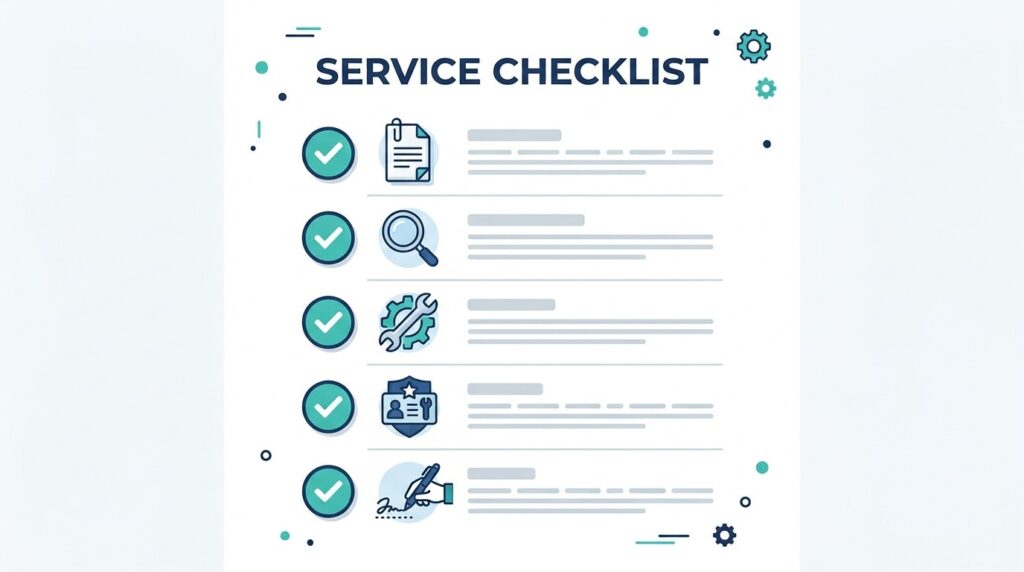
If you think you’ve bought a CPO vehicle with hidden problems or missing paperwork, here’s a reasonable order of steps:
- Document everything — photos of any defects, repair records, and every communication with the dealer.
- Get an independent inspection from a technician not affiliated with the selling dealership.
- Request the CPO checklist in writing. If the dealer can’t produce one, put that request and response in writing too.
- File a complaint with the Florida Attorney General’s Office, the Florida Department of Highway Safety and Motor Vehicles (DHSMV), or the Federal Trade Commission (FTC) if you suspect odometer fraud.
- Consult a consumer protection attorney before your purchase agreement’s arbitration clause deadline, if one applies. Many dealer contracts require arbitration instead of a lawsuit — know that before you sign.
13. FAQ
Q1. Did Kim Muratori get paid?
The court upheld her arbitration award and the dealership took the car back. The exact final payment amount hasn’t been publicly confirmed, though the original award was over $66,000.
Q2. What is Section 501.976 of the FDUTPA?
It’s part of Florida’s Motor Vehicle Sale, Repair, and Storage Act, enforced alongside FDUTPA. It addresses unfair or deceptive vehicle sales practices, including misrepresenting a vehicle’s condition or inspection status.
Q3. Can a car dealer appeal an arbitration award in Florida?
Yes, but the grounds are narrow. A party can ask the arbitration organization to review the decision, or ask a court to vacate it — but only in cases involving fraud, bias, or an arbitrator exceeding their authority. Simply disagreeing with the outcome isn’t enough.
Q4. Does certified pre-owned status protect you under Florida’s lemon law?
Not usually. Florida’s lemon law mainly covers new and demonstrator vehicles. A CPO car typically doesn’t qualify, even if it comes from an authorized dealership.
Q5. How long did the Kim Muratori case take?
From her November 2022 purchase to the dealership finally retrieving the car in April 2026, the case spanned roughly three and a half years, including about 25 months where the car sat unused.
Q6. What should I do if I think my CPO car has a mileage discrepancy?
Get an independent diagnostic report, request the manufacturer’s data on total recorded mileage, and consider filing a complaint with the FTC or your state’s attorney general’s office.
Q7. Is arbitration the same as going to court?
No. Arbitration is a private dispute resolution process, often required by a sales contract, where a neutral arbitrator decides the outcome instead of a judge. Court involvement in this case only came later, when the award needed to be enforced.
14. Conclusion
The Kim Muratori Mercedes-Benz lawsuit shows how a single missing document — a CPO inspection checklist — can unravel an entire sale. Muratori did everything right: she got independent inspections, kept documentation, and pursued her legal rights through arbitration and then the courts. It still took more than three years.
If you’re buying a certified pre-owned vehicle, ask for the inspection paperwork before you sign. If you’re already dealing with a dealer who won’t produce it, or a vehicle that doesn’t match what you were told, talk to a consumer protection attorney licensed in your state before your options narrow.
Legal Notice: This article is for general informational purposes only and does not constitute legal advice. Laws referenced may have changed since publication. Consult a licensed attorney in your jurisdiction for advice specific to your situation.